Subscribe to our E-Letter!
Subscribe to our e-mail and stay up-to-date with news and resources from street vendors around the world.
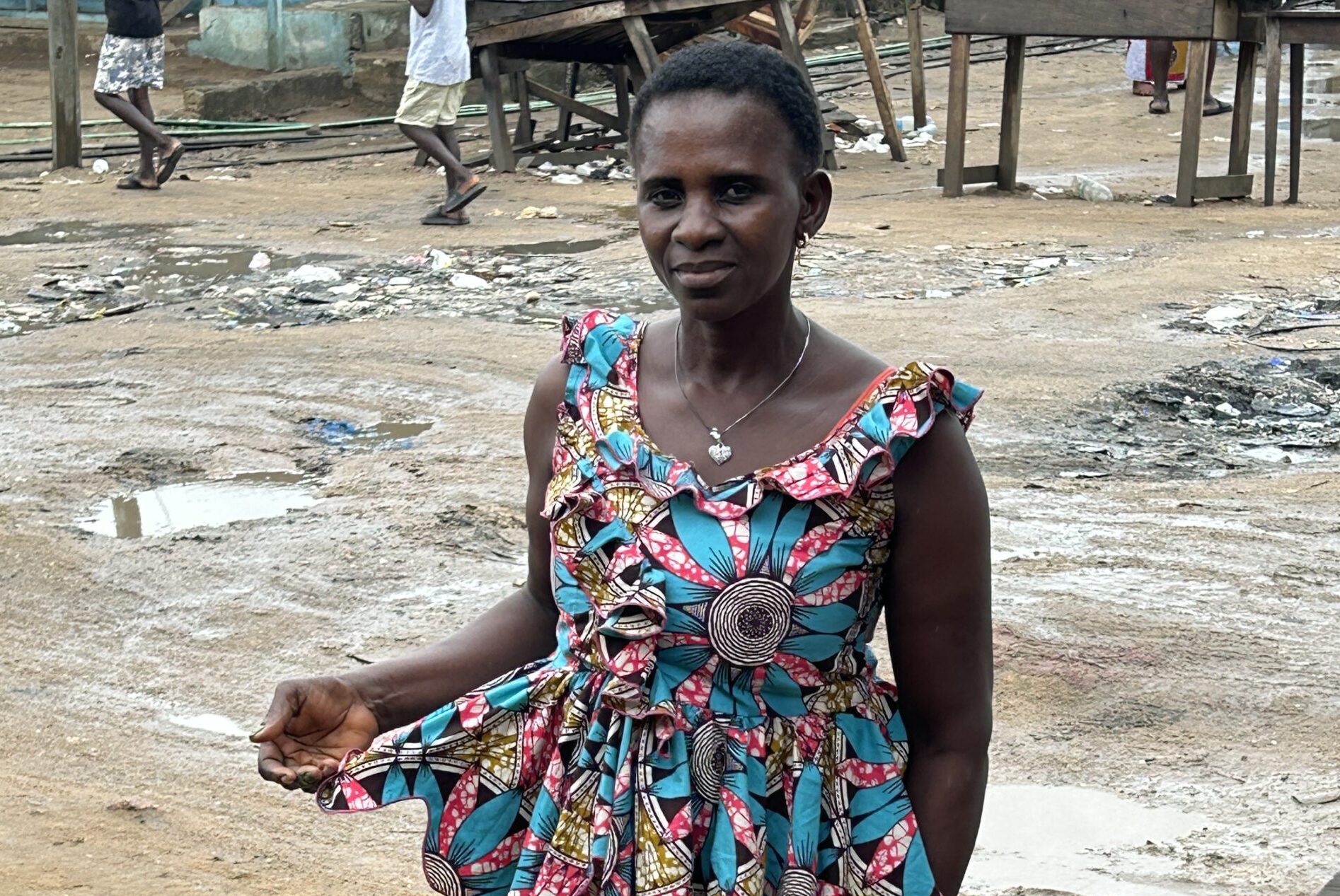
Dati was a dressmaker, her husband a tailor. She used the scraps of fabric left from his work to make her own creations, which she sold in the streets. Then tragedy struck—her husband went blind and had to close his tailoring business. He could not work, and Dati no longer had access to the leftover fabric. Suddenly she was left to support the entire family, which includes seven children. She had to all but abandon her dressmaking business and instead take odd jobs, including cleaning fish at a local restaurant.
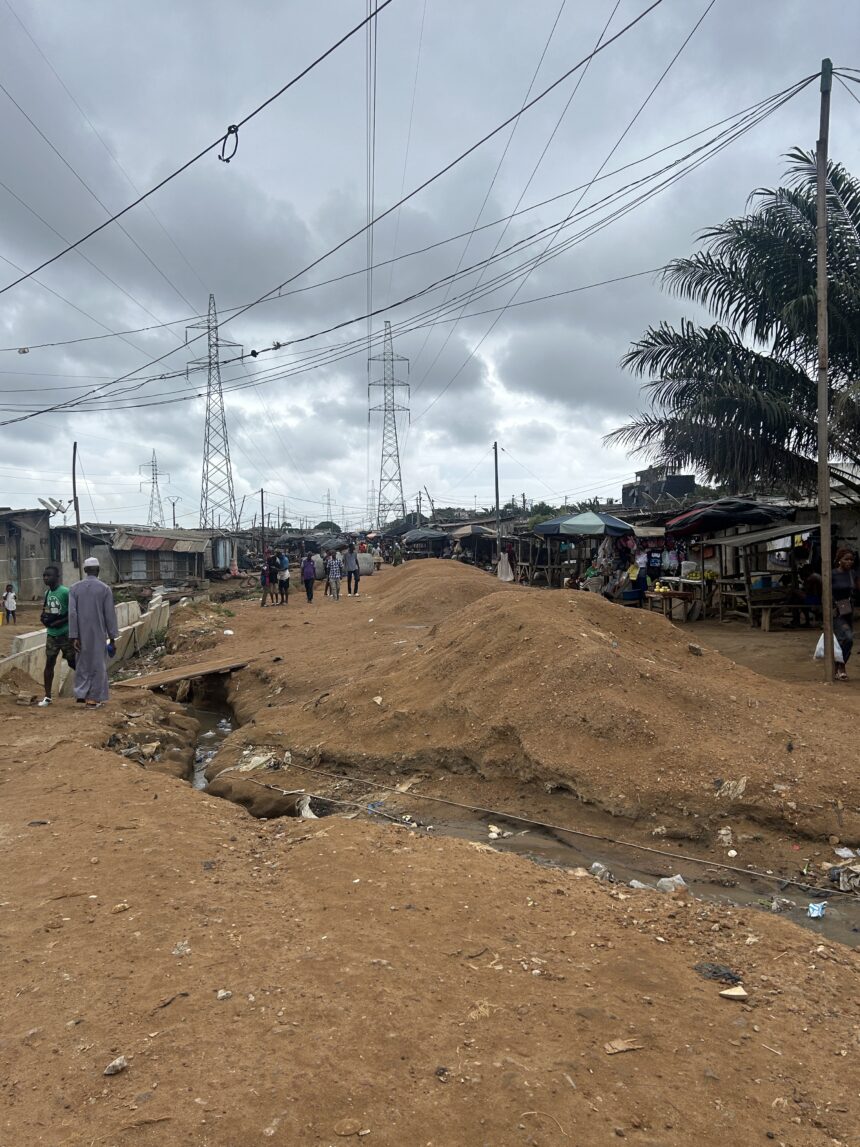
Things only got worse when the government demolished an informal settlement to build a major traffic bridge. Dati and her family were left homeless.
Despite her burdens, Dati says she does not feel alone because she is a member of Informal Economy Workers Federation of Côte d’Ivoire (FETTEI-CI). FETTEI-CI represents workers across many sectors: street vendors, market traders and hawkers, delivery and transport service providers and domestic workers, among others.
She says the federation has helped her in numerous ways.
One area where she found support is in accessing health care for herself and her family. Côte d’Ivoire began working toward universal health coverage through its CMU (Couverture Maladie Universelle) program in 2014. It promised to provide quality healthcare for all citizens by offering a two-tiered system that required a monthly fee from those who could afford it and non-contributory coverage for the most vulnerable. However, FETTEI-CI spent over a decade fighting to ensure the informal sector was included. This has required launching a national campaign and building its relationship with the Secretariat of Health Insurance, CNAM.
While enrollment is mandatory in the CMU, it remains a difficult thing for many informal workers to achieve. FETTEI-CI works to help them access the health coverage they are entitled to.
High profile, direct-benefit work like this helps FETTEI-CI build awareness of its work, which can draw more informal workers into the fold. For example, during the COVID-19 crisis, FETTEI-CI was able to provide cash transfer support to vendors, thanks to direct funding from StreetNet International, to which FETTEI-CI is affiliated. This built recognition of the value of the federation and helped boost membership.
However, recruiting members remains a significant struggle, says Mme Douai Marcelline, the General Secretary of FETTEI-CI. Trust in institutions of any kind is a big issue for informal workers in Cote d’Ivoire, she says. But devoted members like Dati are making a difference. As a volunteer, she talks with other workers, tells them why they should trust this organization and how much she has learned through the federation.
Multiple trainings, she says, have caused her confidence to soar. She has come to understand her rights as a worker and taken business development workshops. In 2022, the International Labour Organization (ILO) partnered with FETTEI-CI and the Caisse Nationale de Prévoyance Sociale (CNPS) to provide occupational health and safety training. Domestic workers learned how to work safely with household chemicals—and Dati learned that she must be provided with protective gloves and other gear to keep her safe while scaling fish.
Perhaps the most tangible benefit Dati has received as part of FETTEI-CI is a roof over her family’s head. When their home was demolished, FETTEI-CI helped find them a place to stay.
Despite all she has been through, this kind of support has given Dati hope for the future. She wants someday to open her own business. But this will only be possible if she can access a low-interest loan. Mme Douai says FETTEI-CI is now exploring how it can fund a microfinance system to give members like Dati path to success.