Subscribe to our E-Letter!
Subscribe to our e-mail and stay up-to-date with news and resources from street vendors around the world.

In less than two decades, a Guatemala trade union for vendors has grown from only 20 members to being part of an alliance of vendor organizations with 137,000 members. This remarkable solidarity continues today as vendors fight for legal recognition and rights.
“As individuals, your voice is never heard. You are attacked and picked off individually. The only option had to be a collective, to organize as a trade union,” said Jorge Peralta, founder and general secretary of FENTRAVIG, the National Federation of Independent Workers and Street Vendors from Guatemala.
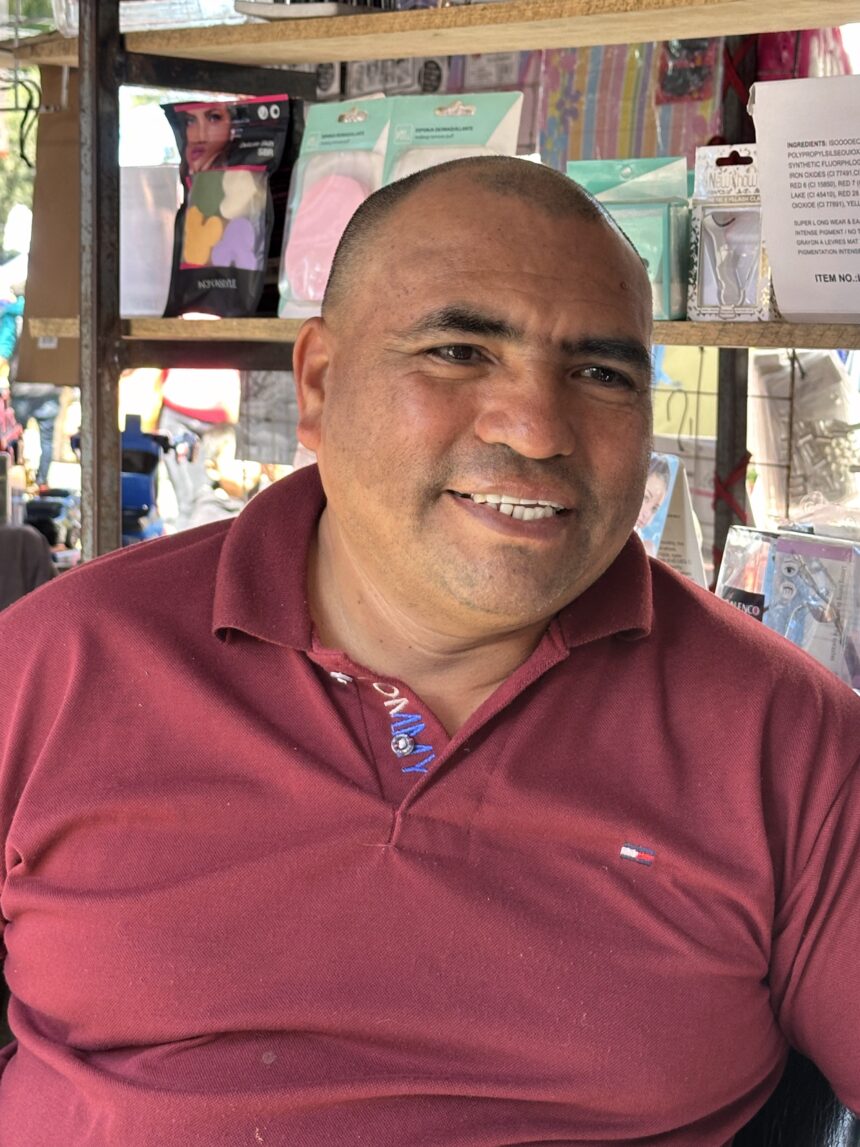
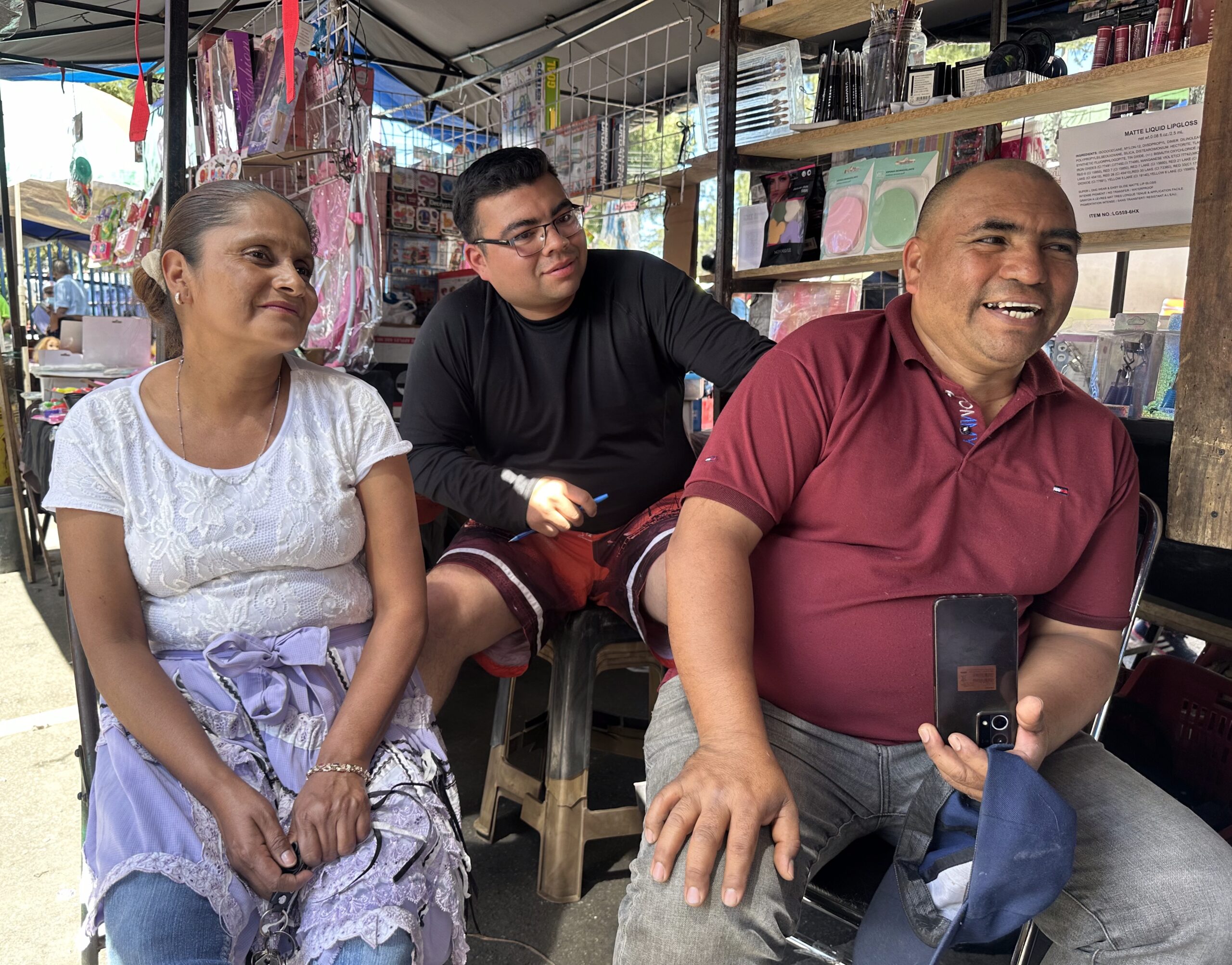
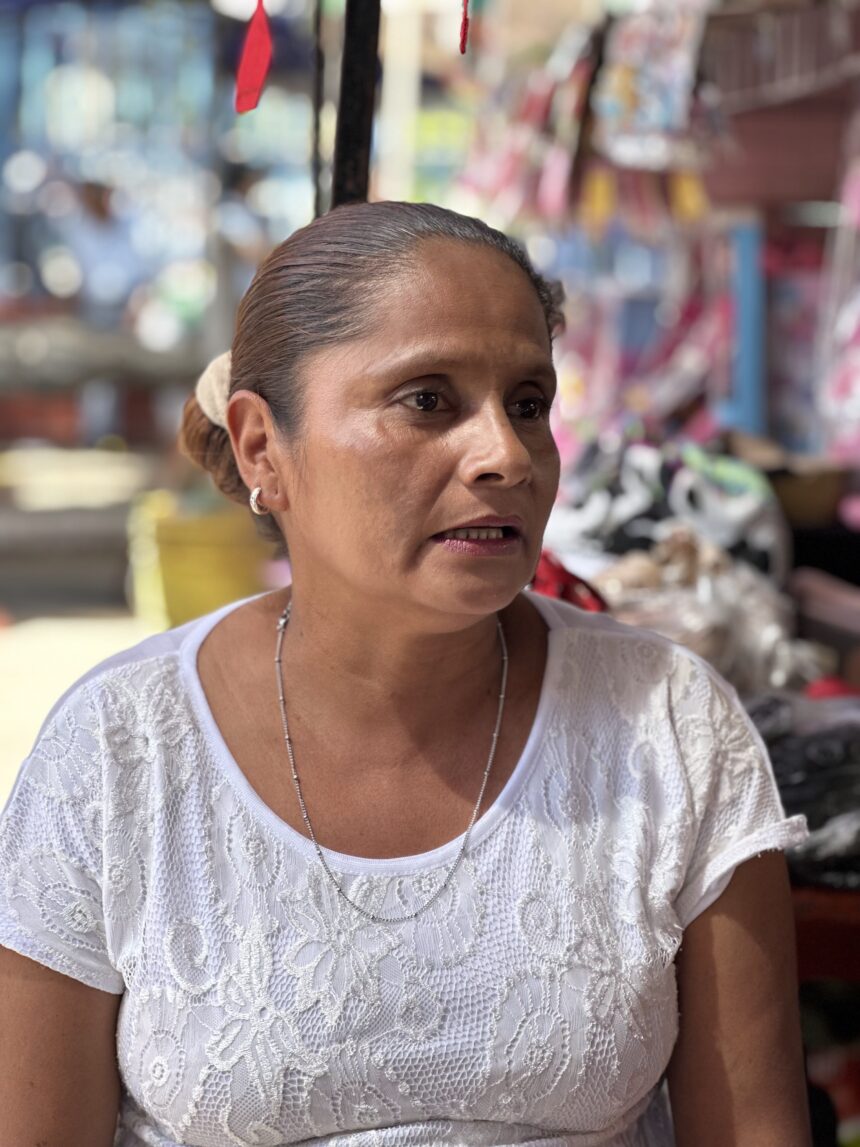
Jorge and his wife Sandra have long been leaders at Bethania Mercado in Guatemala City, where 340 unlicensed vendors and 220 licensed vendors now work. The hours are long; they have to set-up and dismantle their stall daily where they sell toys, cosmetics and more. They were the first to set up on the central row outside the market building and encouraged others to join them.
Jorge, 51, and Sandra, 43, work collectively: discussing all decisions and plans. Jorge credits his wife as being more vocal, argumentative and analytical. When asked who is in charge, Jorge and their son Daniel both point to Sandra and laugh loudly.
They managed to organize within their market, but organizing as a union proved more difficult.
In the early 2000s, vendors distrusted trade unions, which asked for money, but didn’t defend their rights. Instead of aligning with existing trade unions, Jorge sought his friends on the left who knew about setting up a union. Jorge earned a diploma in labour law so he could educate vendors about what a trade union could do for them legally.
In 2004, with only 20 members, they launched STTIGUA, the Trade Union of Independent Workers of Guatemala. But the municipality seemed intent on stopping vendors, by attacking them and confiscating their goods.
“It hurts us to see the injustices that are committed against vendors,” said Sandra. They both grew up in the markets. “That’s why I know so well the needs but also the joys of the market,” said Jorge
In 2010, Jorge, Sandra and several colleagues founded FENTRAVIG, an affiliate of StreetNet International. With Jorge as president, they wrote letters, held protests and spread the word about vendors’ legal rights. Gradually, there was less violence and confiscation of goods.
By 2023, FENTRAVIG had 5,000 members nationally from 11 organizations: three representing hawkers and eight representing semi-stationary, unlicensed vendors who are vulnerable to authorities. What they lacked were licensed vendors working within market buildings. That required a broader cause.
In October 2023, the left-leaning, newly elected President, Bernardo Arévalo, was not allowed to take office. “It was a violation of democracy,” said Jorge. Indigenous people blocked roads, preventing produce and supplies from reaching the city. Vendors were running out of products to sell; this common ground allowed them to unify. Jorge was one of five leaders. “The only solution was to remove those who were trying to do a coup d’etat.”
Their first protest march included about 19,000 vendors. A subsequent one had 65,000 vendors; it was one of the largest protests in Guatemala’s history. President Arévalo took office, and the Mercados Unidos de Guatemala (an alliance of vendor organizations) was born.
It represents some 90 markets in and around Guatemala City and approximately 137,000 individuals. For the first time, both licensed and unlicensed vendors are together in one organization. “We realized we had unity and power,” said Jorge.
This was the starting point for vendors to gain recognition as self-employed workers who need laws to provide security, social benefits and access to credit or a state fund to support their work. They also want official permits, and proper working conditions including water, electricity and market buildings.
Although FENTRAVIG remains independent, its trade union roots make it a catalyst within Mercados Unidos. In the fall of 2024, Mercados Unidos finally legally registered, making it an official organization, which should theoretically open doors to funding and more.
In addition, FENTRAVIG’s affiliation with StreetNet International “gives us weight when we are talking with other organizations and authorities,” said Jorge. Learning of SNI’s work also helped Guatemala vendors realize they weren’t alone: “They could see that other organizations were defending vendors and achieving big things.” It inspired them to believe “we are capable of changing our own future.” In 2023, Jorge was elected to SNI’s 15-member International Council.
Only a few months later, Mercados Unidos had occasion to get active again after learning of a law being proposed by cattle ranchers that, rather oddly, would impose a 1.5% tax on informal street vendors. Using his FENTRAVIG connections, Jorge garnered support from political allies and legal experts. “The government thought we were finished, but we proved them wrong.” Vendors marched on the Legislative Palace, where elected members were sitting, and blocked the doors. They refused to leave until they were heard.
The president and vice-president of Congress, as well as senior officials, sat down with alliance representatives. In December 2024, the law passed with the vendor clauses removed.
“It was a very big victory which further strengthened Mercados Unidos,” said Jorge with a wide grin. “We are finally being heard and have some kind of collaboration with the municipal authorities. This is something that we couldn’t have imagined without being collectively organized.”
Their fight for recognition continues, as does their need for better working conditions, but Jorge and Sandra are seemingly tireless.
Despite their long hours on the market, with the union and the alliance, they attend their Evangelical church every evening and make time for their four grown sons. “We don’t watch television,” quipped Jorge. “We have a mentality of service, not only in a religious sense, but also the need to change things, to connect to people.”