Subscribe to our E-Letter!
Subscribe to our e-mail and stay up-to-date with news and resources from street vendors around the world.

Article by Nancy Likilipa and Uthman Kaisi
As the holiday season brightens urban streets across Zimbabwe and Malawi, a familiar surge of activity returns. Informal traders, the backbone of local economies, line pavements with goods, hoping to harness the festive rush for crucial earnings. Yet behind this vibrant scene lies a stark reality of vulnerability, where the promise of profit is shadowed by theft, counterfeit currency, and a profound lack of social protection.
In cities like Harare and Bulawayo, vendors selling everything from fresh produce to electronics operate in a constant state of legal precarity. Many work in defiance of bylaws that deem them “illegal” in undesignated spaces. While authorities cite urban order, vendors face daily risks of confiscation, fines, and harassment. Similarly, in Malawi’s bustling hubs of Blantyre and Lilongwe, traders are caught between the need for livelihood and restrictive regulations that force them into overcrowded market squares or leave them exposed to penalties for street vending.
The human impact of these policies is felt daily. “They have no mercy at all. Once they take your stock, you’ll never get it back,” says Nhamo Kashiri, a vegetable vendor in Bindura, Zimbabwe, describing municipal raids that strike without warning. Tendai Matambanadzo, a mother of five selling goods in Harare’s Central Business Center, adds, “Sometimes police demand money just for us to avoid confiscation. But even when we pay, they still take our goods.”
In Malawi, a recent 2025 report on the informal economy underscores the grim choices traders face. “Those who cannot afford to be at designated marketplaces risk being arrested, paying fines, and having their goods confiscated, with no hope of getting their items back,” the report notes.
For many women vendors, these encounters carry an added layer of danger, including reported gender-based abuses from law enforcement, a profound violation with lasting consequences.
“Everyone in the city knows that the festive season is the only time we make business totally different from all other days, for this reason, the threats become even more than ever, especially to us, women, as we dominate in every selling point”, said Grace Lubaini from Limbe Market in Blantyre, Malawi.
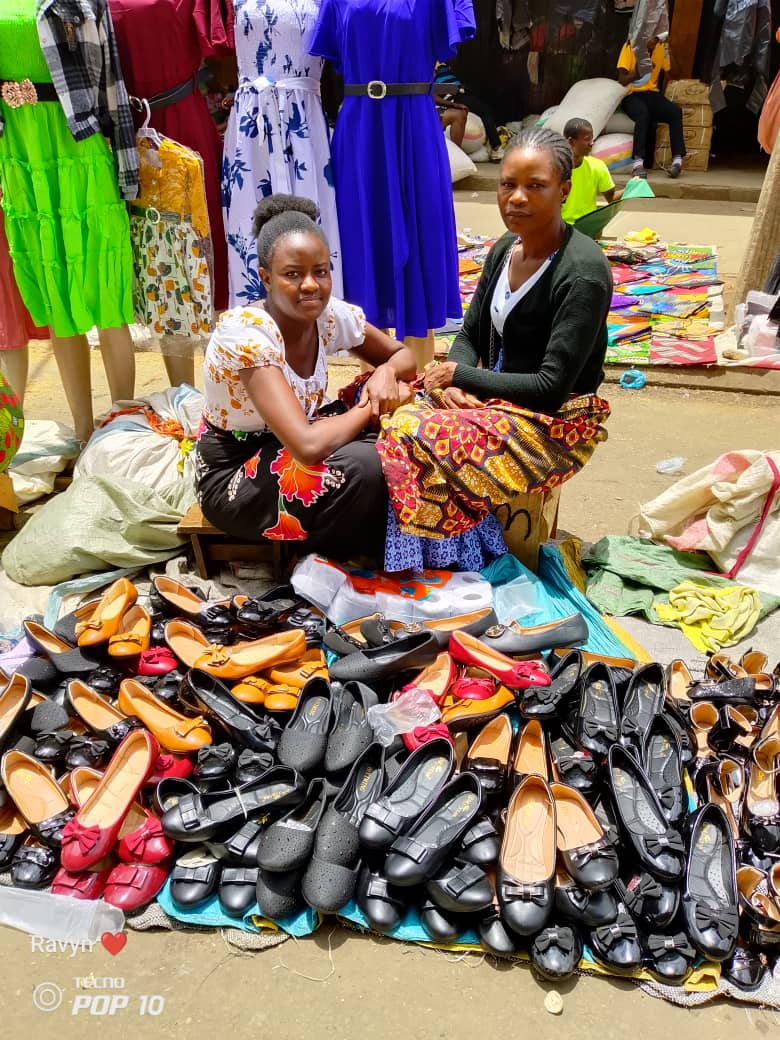
The holiday hustle amplifies physical dangers. Extended hours, fatigue, poor lighting, and crowded conditions make vendors prime targets for theft. While comprehensive data on holiday-specific crime is sparse, urban crime trends in major cities confirm that petty theft and muggings are a persistent concern. Especially for those operating late into the evening in poorly secured areas.
Compounding these risks is a near-total absence of social protection. Street vendors operate outside formal labor systems, meaning no unemployment benefits, health insurance, or compensation for losses from raids or crime. This lack of legal recognition turns every hazard from economic shock to personal injury into a potential catastrophe.
In the face of these challenges, grassroots organizing is providing a glimmer of resilience. Vendor associations, including affiliates of StreetNet International like the Malawi Union for the Informal Sector (MUFIS) and the Zimbabwe Chamber of Informal Economy Associations (ZCIEA), are mobilizing members. Their efforts include legal education and rights awareness campaigns, the formation of community-led safety committees to patrol trading zones during peak hours, and collective advocacy for the recognition of informal trade as legitimate work.
Transforming this precarious reality requires concerted action. Advocates and analysts point to several critical steps:
Governments must explore extending minimal social protections to informal workers, including emergency support funds for losses, basic health coverage, and access to legal aid. Urban authorities can immediately improve safety by installing lighting and basic security at key vending hubs during peak seasons and by formally supporting vendor-led safety initiatives with training and resources.
Financial inclusion is another key pillar. Promoting affordable access to mobile money and digital payments can reduce reliance on cash, thereby curbing risks associated with theft and counterfeit currency.
Ultimately, sustainable change depends on structured, multi-stakeholder dialogue. Bringing together vendor unions, city councils, national governments, civil society, and law enforcement is essential to forging policies that balance urban management with economic inclusion.
For thousands of street vendors, the holiday season embodies both hope and peril. Their stories reveal not merely economic struggle, but remarkable human resilience. Through thoughtful reform, dialogue, and community-centered solutions, the festive lights can illuminate not just goods for sale, but a pathway toward safer, more inclusive streets for all.