Subscribe to our E-Letter!
Subscribe to our e-mail and stay up-to-date with news and resources from street vendors around the world.
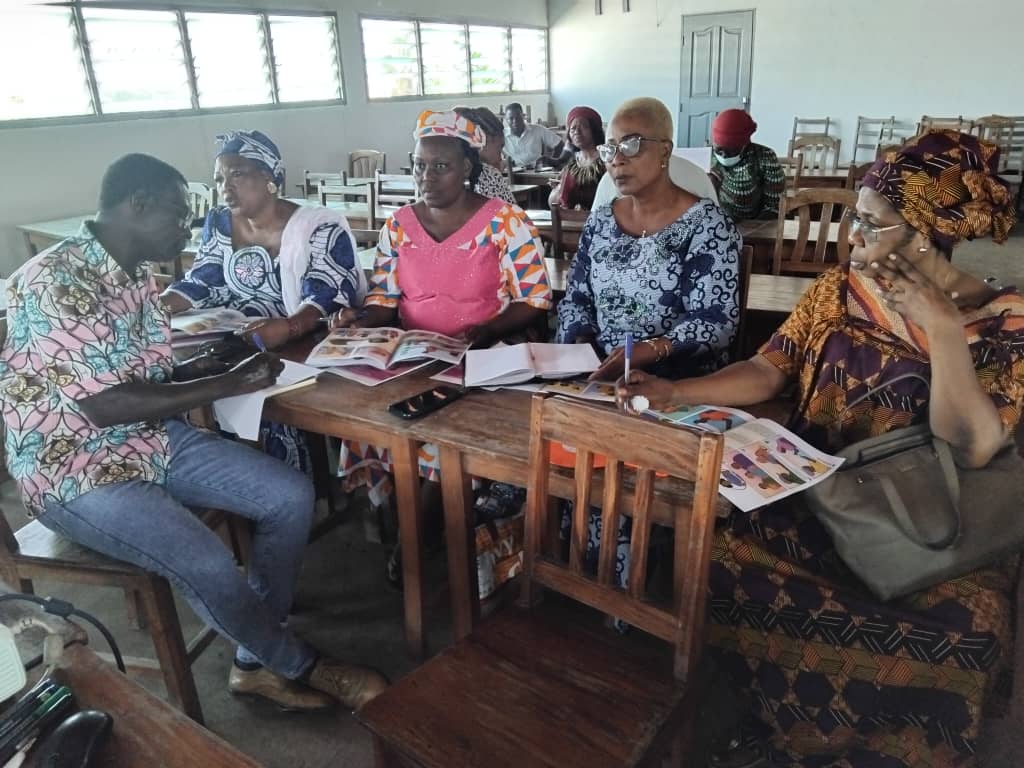
In a context where workers in the informal sector struggle to access formal financial services, a training session on the social and solidarity economy (SSE) brought together thirty delegates from the Federation of National Associations and Initiatives of Informal Sector Workers in Togo (FAINATRASIT), an organization affiliated with StreetNet International. An initiative that, according to participants, could bring about a lasting transformation in their relationship with money and collective solidarity.
FAINATRASIT was not new to the topic. The organization already had an internal credit system. But collective savings remained uncharted territory. It was precisely this gap that the training was designed to address.
On the agenda were the following topics: the founding principles of the social and solidarity economy—solidarity, mutual aid, collective organization, democratic participation, financial autonomy, and the pursuit of the common good. This training session, organized with the support of StreetNet International and WIEGO, reflects a growing consensus across the continent: in the informal economy, the social and solidarity economy is not a utopian ideal. It is a practical tool within our reach—provided it is organized with a systematic approach, transparency, and, above all, solidarity.
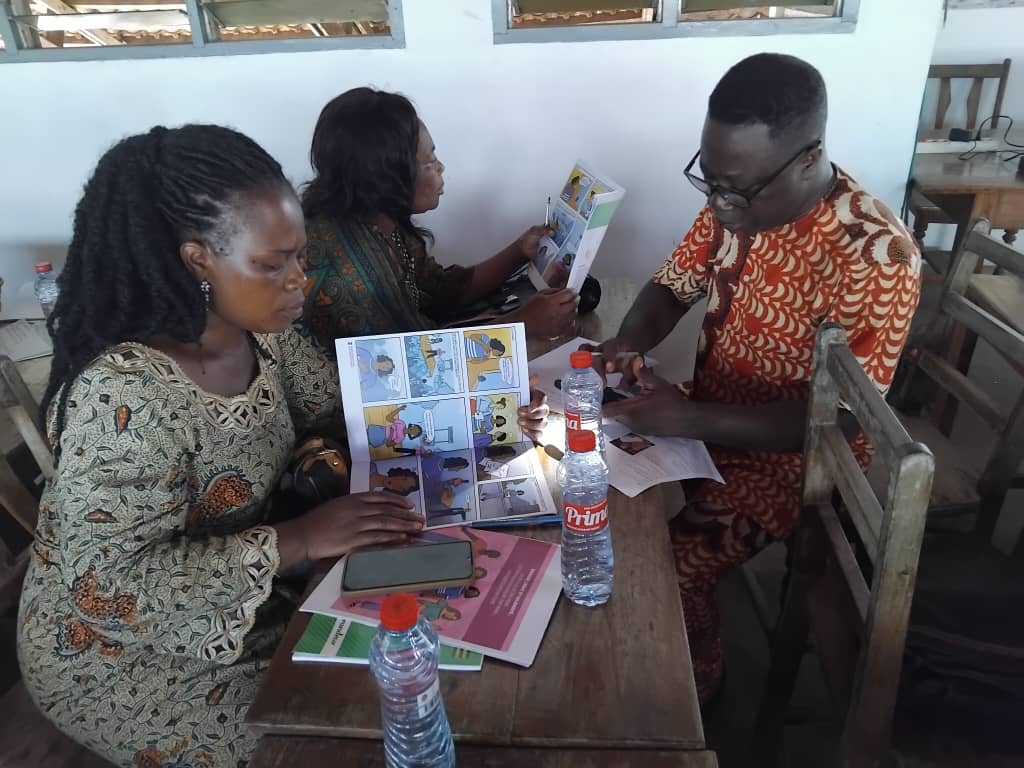
The training did not shy away from the realities on the ground. Participants openly discussed the risks that can derail a solidarity-based savings system: crises of confidence, irregular contributions, failure to repay loans, and the formation of cliques within the group.
“The main challenges primarily concern limited access to formal financial services, low incomes among those in the informal economy, trust among members, and the lack of an appropriate regulatory framework,” says Agblegoe Yawavi, a training participant.
To manage the collected funds, a three-key model was introduced: one person holds the cash box, another keeps the key, and a third manages the accounting ledger—a simple yet effective mechanism to ensure transparency and prevent abuse.
Beyond the theoretical insights, it was the practical simulation that made a strong impression. The delegates left with a renewed sense of purpose and, in their own words, “an eagerness to become self-sufficient.” Agblegoe Yawavi confirms this: “The training has given us a better understanding of the social and solidarity economy so that we can raise our members’ awareness of cooperation, solidarity-based finance, and the transition to a more formal and sustainable economy.”
This is undoubtedly the most concrete outcome to emerge from this training session. Mimi Kozon, president of FAINATRASIT, didn’t just applaud the efforts—she already has an action plan.
“After the training, we decided on a daily membership fee. At the first meeting, everyone will pay their membership fee, and we’ll use that to start making membership cards,” she explains.
A pragmatic, bottom-up approach: no grand institutional launch, just a first meeting, a first payment, a first card. Collective identity above all.
On the governance of the future system, the president is also clear: the ESS board will be separate from the FAINATRASIT board. “It won’t be the FAINATRASIT board that will lead—we’ll bring all the members together to elect a board,” she clarifies. A guarantee of internal democracy and transparency that directly reflects the principles taught during the training”.
She confirms the members’ enthusiasm: “They welcomed the training with enthusiasm. They plan to save so that we can take a cooperative loan.”
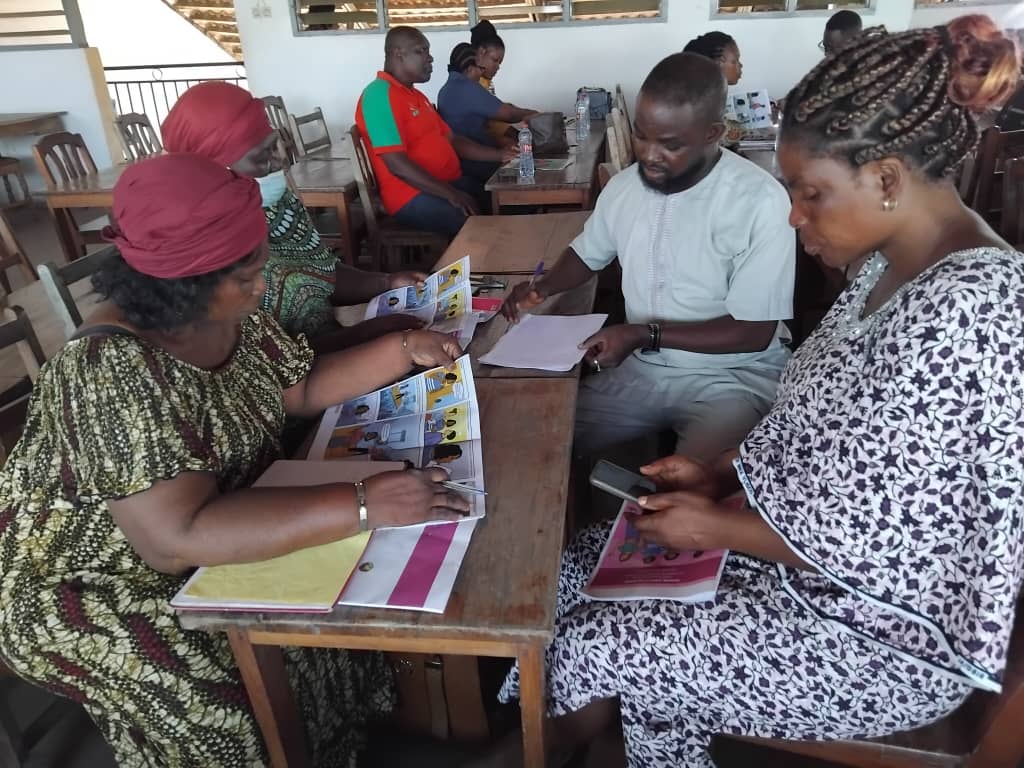
While the launch is scheduled for July 2026 with the thirty trained delegates serving as founding members, Mimi Kozon’s vision is much broader. “In the coming months, we want this to have an impact on all market vendors, street vendors, and artisans—we want a positive impact on all members and affiliates so that this can grow,” she says.
In the medium term: form small savings groups. In the long term: expand the system to all organizations affiliated with FAINATRASIT nationwide.
When asked about lessons to share, the participants are unanimous: start small, keep it simple, and build on trust. “Unity and solidarity give the organization its strength; with small amounts of money, the organization can establish a social and solidarity economy,” summarizes the federation’s leader. Agblegoe Yawavi, for her part, emphasizes the importance of clear rules, financial education, and accessible digital tools to build trust within the group
This training session, organized with the support of StreetNet International and WIEGO, reflects a growing consensus across the continent: in the informal economy, the social and solidarity economy is not a utopian ideal. It is a practical tool within our reach—provided it is organized with a systematic approach, transparency, and, above all, solidarity.