Subscribe to our E-Letter!
Subscribe to our e-mail and stay up-to-date with news and resources from street vendors around the world.
by Daniel Peralta
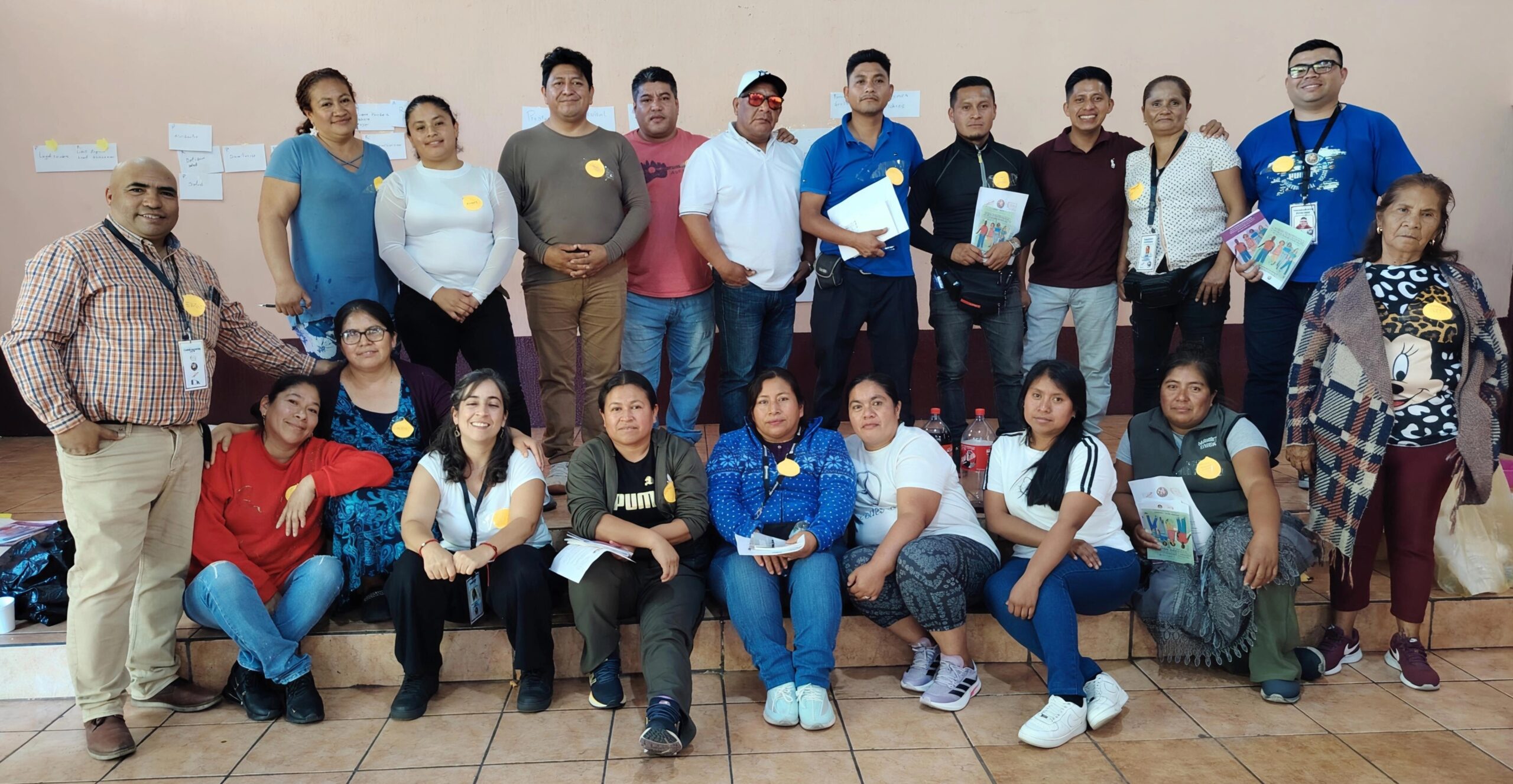
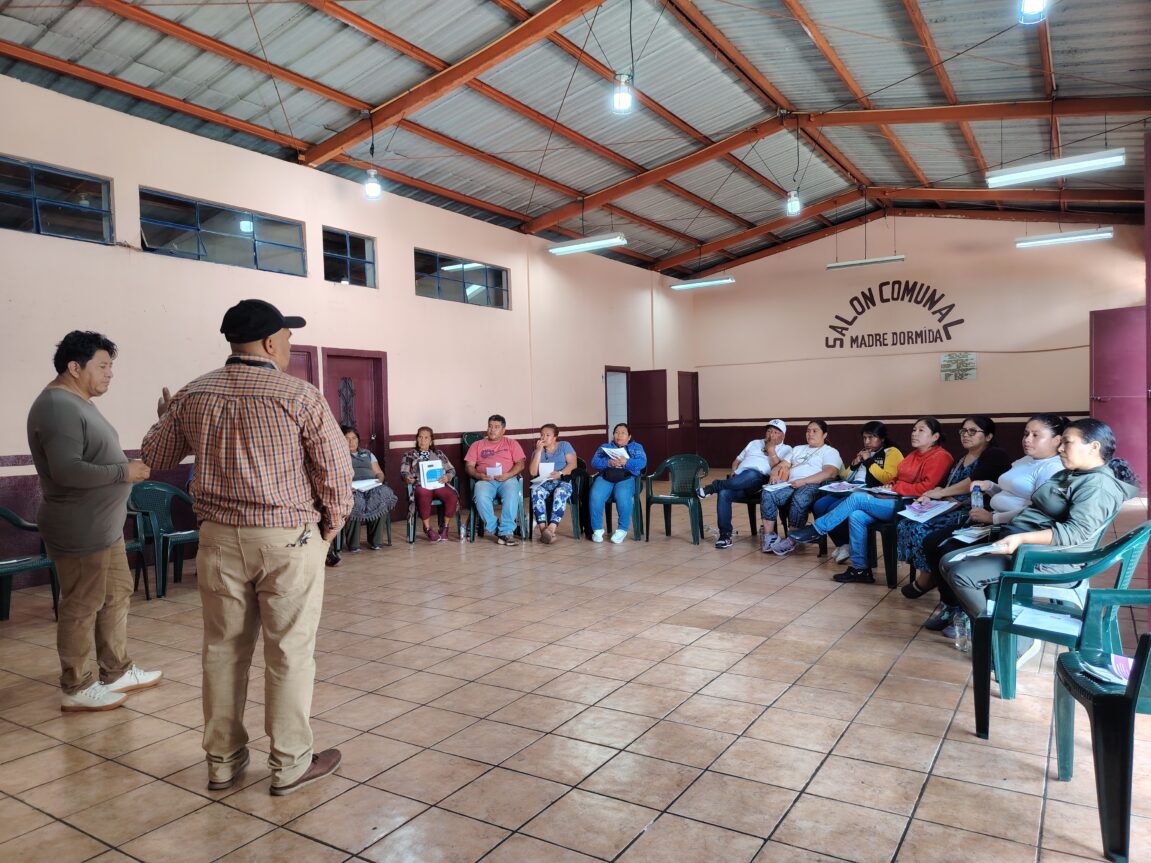
In a decisive step toward strengthening the informal economy sector in the region, the first meeting of the Social and Solidarity Economy (SSE) workshop was held. This meeting, organized by FENTRAVIG (Federation of Independent Street Vendors of Guatemala) in collaboration with StreetNet International and Women in Informal Employment: Globalizing and Organizing, marks the beginning of a strategic initiative aimed at transforming the living conditions of workers and street vendors.
This workshop in Guatemala is not an isolated event; it has established itself as the flagship project of StreetNet International for the Americas, which has chosen the development of social and solidarity economy initiatives in the region as its central strategy. The methodology and results obtained in this process will serve as the technical and organizational foundation for replicating these training programs in other Latin American countries, adapting savings, credit, and solidarity tools to local contexts.
The Social and Solidarity Economy presents itself as a real alternative for building “Collective Paths toward a Dignified Life,” promoting organization, trust, and commitment among street vendors and market vendors.
In recent years, StreetNet has developed training materials compiling successful experiences from cooperatives and solidarity-based organizations that have strengthened street vendor organizations around the world, while also improving the economic and working conditions of their members (Discover StreetNet’s Social and Solidarity Economy toolkit here).
The success of this first workshop was made possible by the commitment and experience of a team dedicated to training union and association leaders: Felipe García, workshop facilitator, who guided the learning activities and the exchange of experiences among participants. Jorge Peralta, Co-facilitator, responsible for delving into the practical tools of the SSE for the informal sector. Maira Vannuchi and Federico Parra, StreetNet International and WIEGO team members and project leads oversee the implementation and development of this regional vision from within the organization’s global structure.
Through this project, StreetNet reaffirms its commitment to empowering its affiliates by providing knowledge that enables workers in the informal economy to transition toward fairer models of social protection and economic autonomy.
This is just the first step on a journey that StreetNet International members will embark upon, demonstrating that unity and solidarity are the most powerful tools for defending our rights.
Eleven women and five men who are members of FENTRAVIG participated in the first meeting.
The first workshop successfully achieved its objective. Participants demonstrated a high level of awareness regarding their situation and, most importantly, were able to articulate that solutions to individual problems (such as low sales or health emergencies) require collective mechanisms (such as a savings fund). In the next workshop, having identified the “Savings and Loan Fund (Cuchubal)” as one of the main responses to their daily economic problems, the group is methodologically prepared to fully engage in the conceptualization and design of Solidarity Savings and Credit Systems (SACS).