Subscribe to our E-Letter!
Subscribe to our e-mail and stay up-to-date with news and resources from street vendors around the world.
by Uthman Kaisi
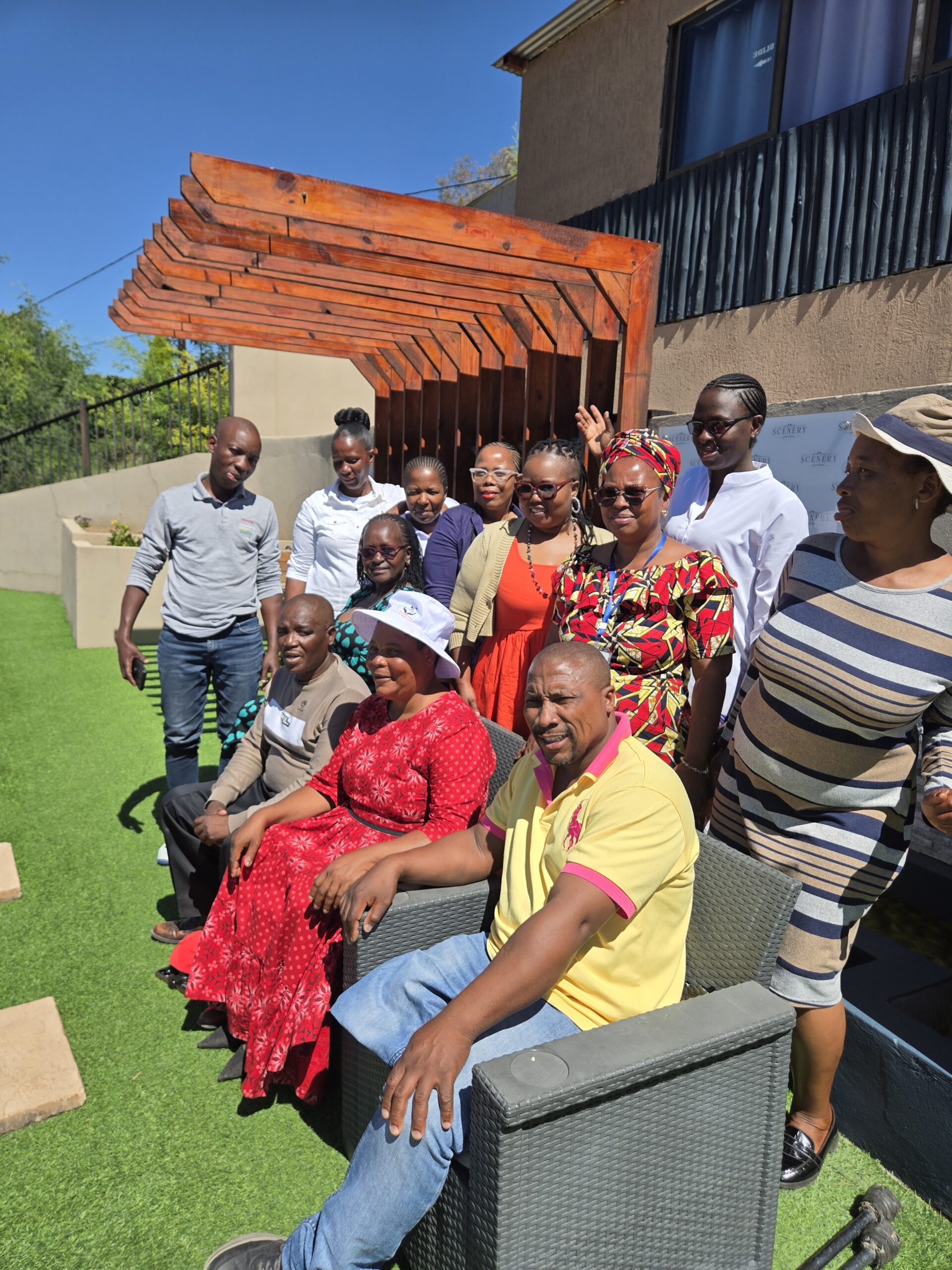
In March 2026, Streetnet International conducted a Negotiation Skills Follow-up Workshop to its affiliate, Khatang Tema – LEFITA. This workshop was organized to evaluate the progress of the organization’s leadership following the initial capacity building workshop that took place in July 2025.
A key goal was to equip informal traders in Lesotho with the skills and knowledge necessary to transition from theoretical understanding to practical, institutionalized negotiation strategies, thereby enhancing their ability to advocate their rights and improve working conditions.
According to Mamolise Lawrence, the workshop helped to open the environment that enables individuals and groups to organize, participate in public affairs, and hold governments accountable without fear of reprisal between the government ministry and LEFITA. This shows that there is now recognition from the government as well as other authorities. After the first workshop in 2025, LEFITA had a privilege to represent the informal economy under the World Bank survey on Gender mainstreaming for women cross-border traders and inclusion under the Ministry of Trade and Business Development. In the due course, the Ministry has invited LEFITA to be in the Implementation Strategy Development Plan for World Bank survey on Gender mainstreaming for women crossborder traders and inclusion under the Ministry of Trade industry and Business Development.
The training also encouraged the district chapters to establish negotiation teams. According to feedback from members, the training contributed to building self-confidence, leadership capacity, and stronger organizations that can effectively represent their members. Mamolise said, “Members who attended this workshop are now fearless to approach the public authorities to put their demands from the workplans developed”.
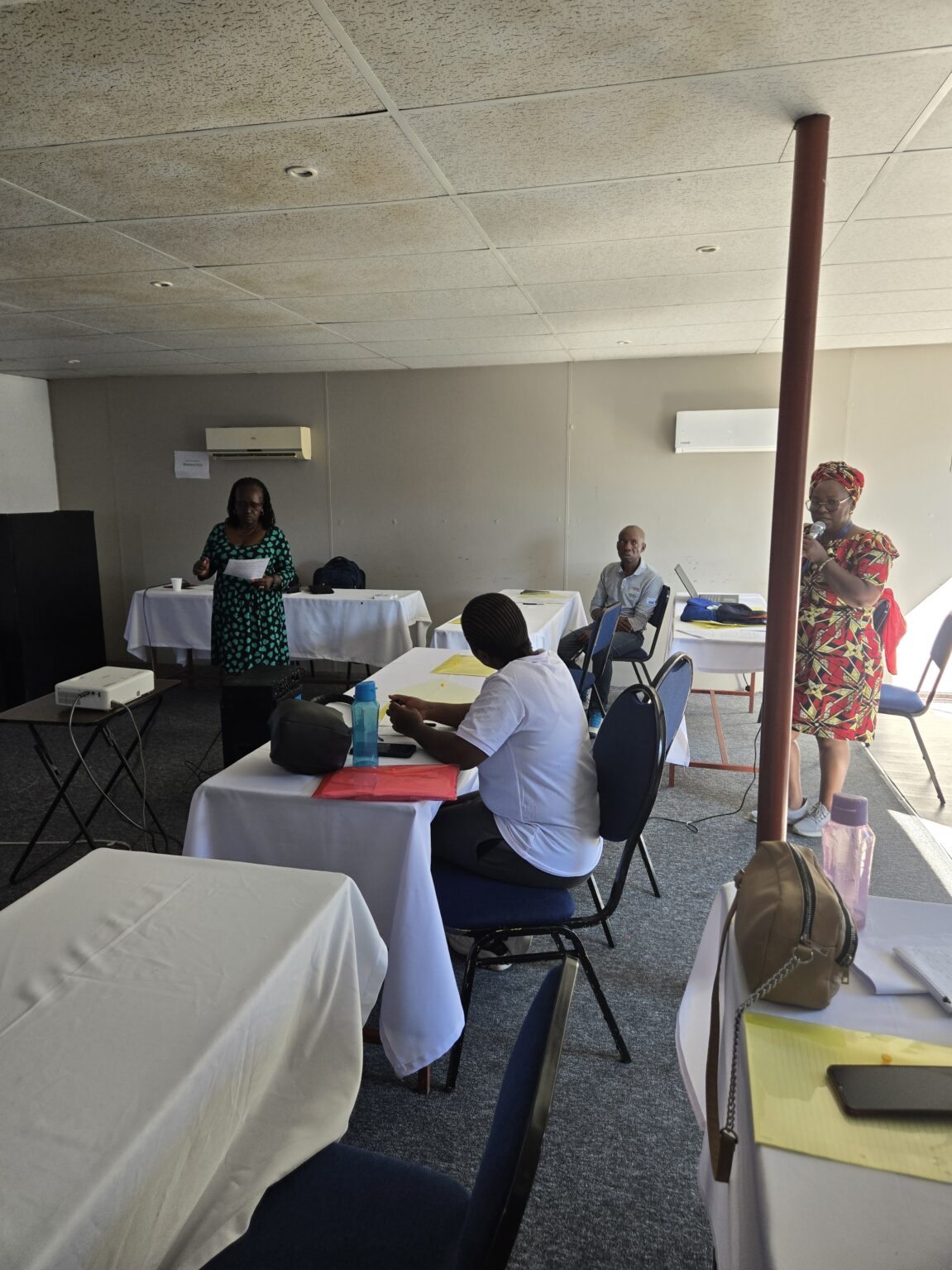
To move away from ad hoc responses, Khathang Tema-LEFITA agreed in principle to let its president lead a newly formed committee designed to act as the organization’s primary technical wing. This committee is mandated to handle data collection before meetings and represent the organization in formal dialogues with the government. Structurally, it will feature a balanced representation of gender and regions, while also including former participants from the first training.
The negotiation success of KTB is driven by strong grassroots mobilization, unified messaging, and data-driven advocacy. High levels of member engagement during initial outreach phases have provided a solid negotiating mandate, while strict alignment between the Executive Board and district leaders ensures a consistent voice when dealing with external stakeholders. Furthermore, the organization has successfully utilized member surveys to quantify the economic impact of informal economy workers, providing concrete data to back their advocacy efforts.
Khathang Tema-LEFITA faces significant operational hurdles, including internal resource constraints like limited budget and transport that restrict face-to-face meetings with district officials, alongside external challenges such as bureaucratic red tape, high government turnover, and legal ambiguities in local trade ordinances that allow authorities to stall discussions.
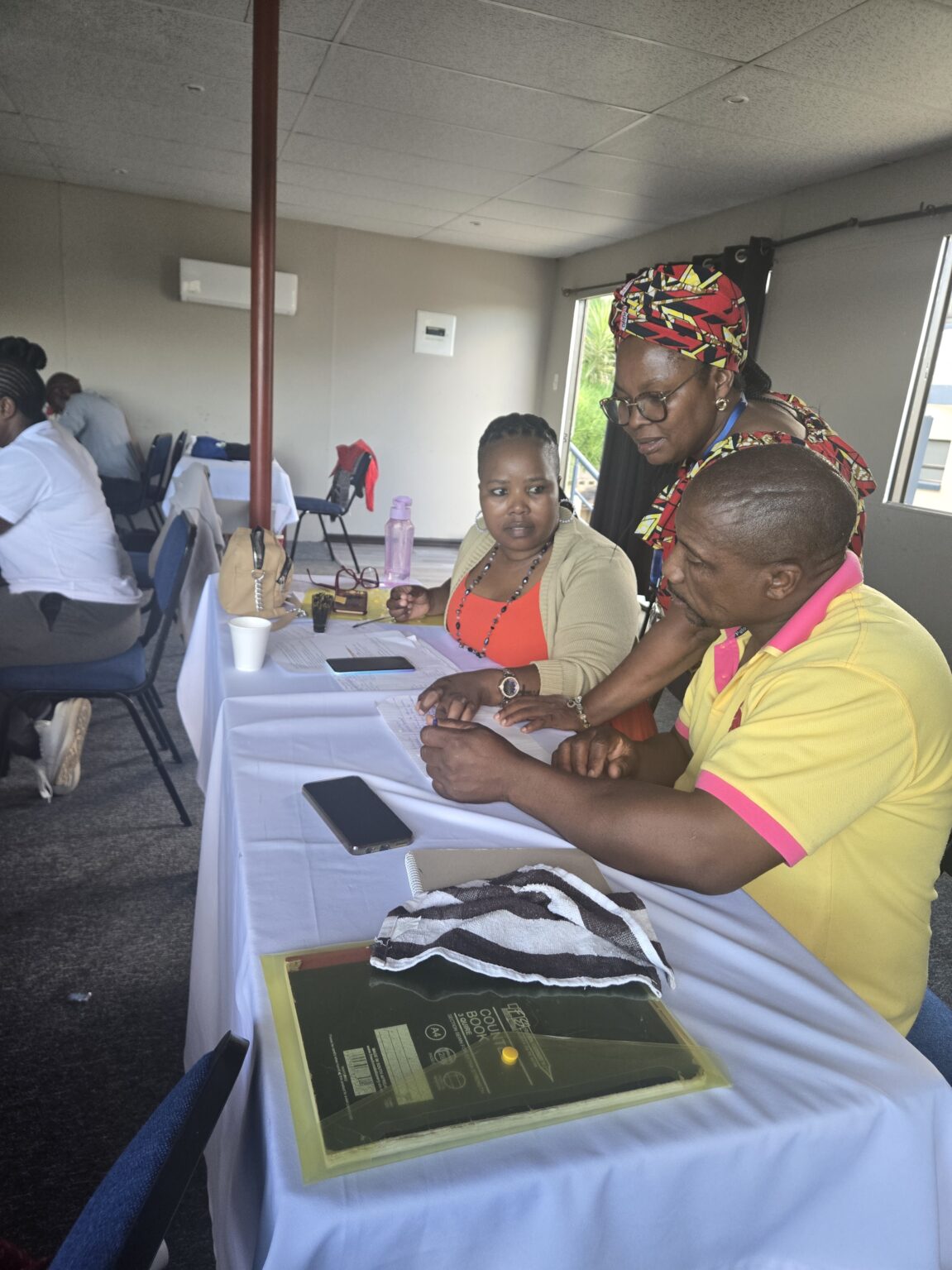
“From my personal perspective, such workshops are extremely important for the informal economy workers we represent because many of them operate without formal training in negotiation, advocacy, and leadership. Informal economy workers often face exclusion, unfair treatment, and limited access to opportunities. These workshops equip them with practical skills to defend their rights, improve their businesses, negotiate fairly, and participate meaningfully in socio-economic development processes”, said Mamolise.
She further said that she would strongly recommend that similar workshops be organized in other countries as well, especially in developing countries where the informal economy plays a major role in employment and livelihoods.
The workshops should be inclusive, participatory, and tailored to the realities of informal economy workers. Governments, development partners, trade unions, and civil society organizations should support such initiatives because they contribute to empowerment, social dialogue, poverty reduction, and economic growth. Exchange learning between countries can also help informal economy workers learn from different experiences and best practices.
“I believe continuous capacity-building programs are necessary for informal economy workers, not only on negotiation skills but also on entrepreneurship, financial literacy, market access, labor rights, digital skills, and policy advocacy. Empowering informal economy workers is essential for inclusive development and for ensuring that no one is left behind in national and regional economic transformation processes”, she said.
To counter these obstacles, key lessons learned highlight that persistence is essential for maintaining a continuous cycle of engagement rather than relying on one-time interactions. Furthermore, meticulous documentation of every informal discussion is critical, as keeping formal minutes establishes a paper trail that prevents officials from backsliding on their verbal promises.
Uthman Kaisi is from Malawi and works with the Malawi Union for the Informal Sector (MUFIS), where he is responsible for Media and Communications. He also collaborates with StreetNet International as a Youth Reporter, Media Activist, and Regional Communicator for East and Southern Africa.