Subscribe to our E-Letter!
Subscribe to our e-mail and stay up-to-date with news and resources from street vendors around the world.
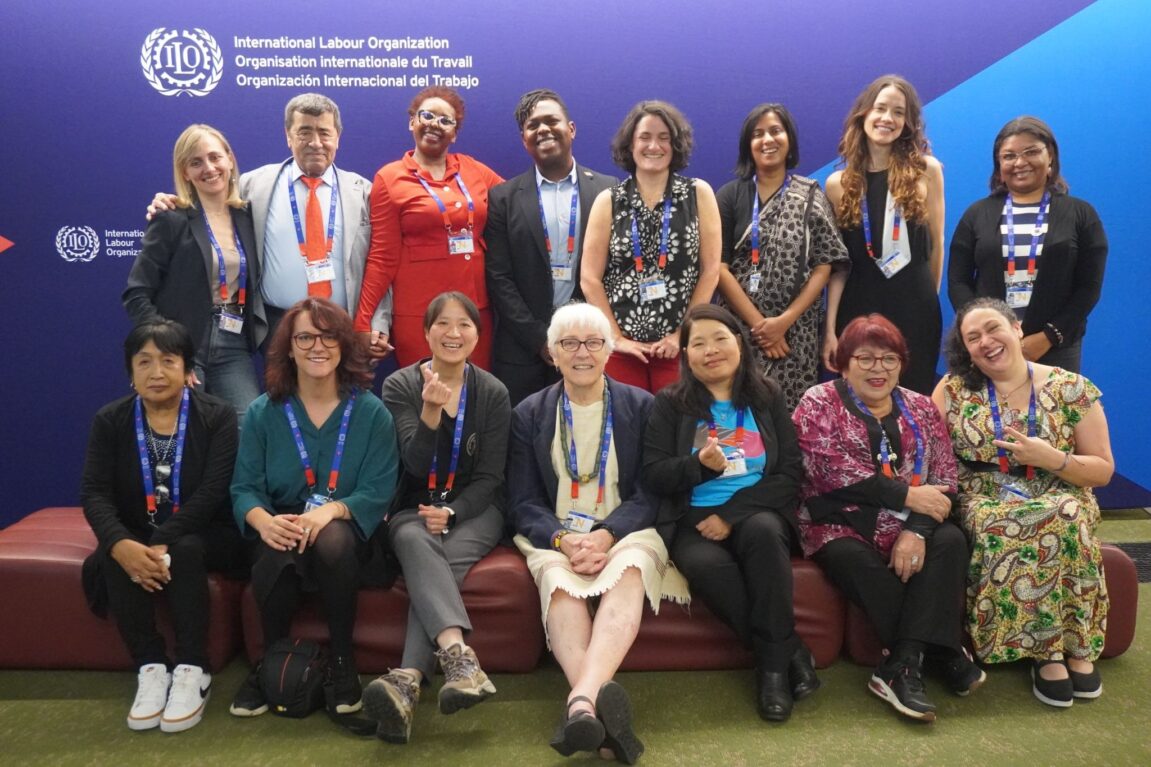
From 1-12 June 2026, StreetNet once again participated at the International Labour Conference, the global tripartite forum where governments, employers and workers come together to discuss and agree on international labour standards.
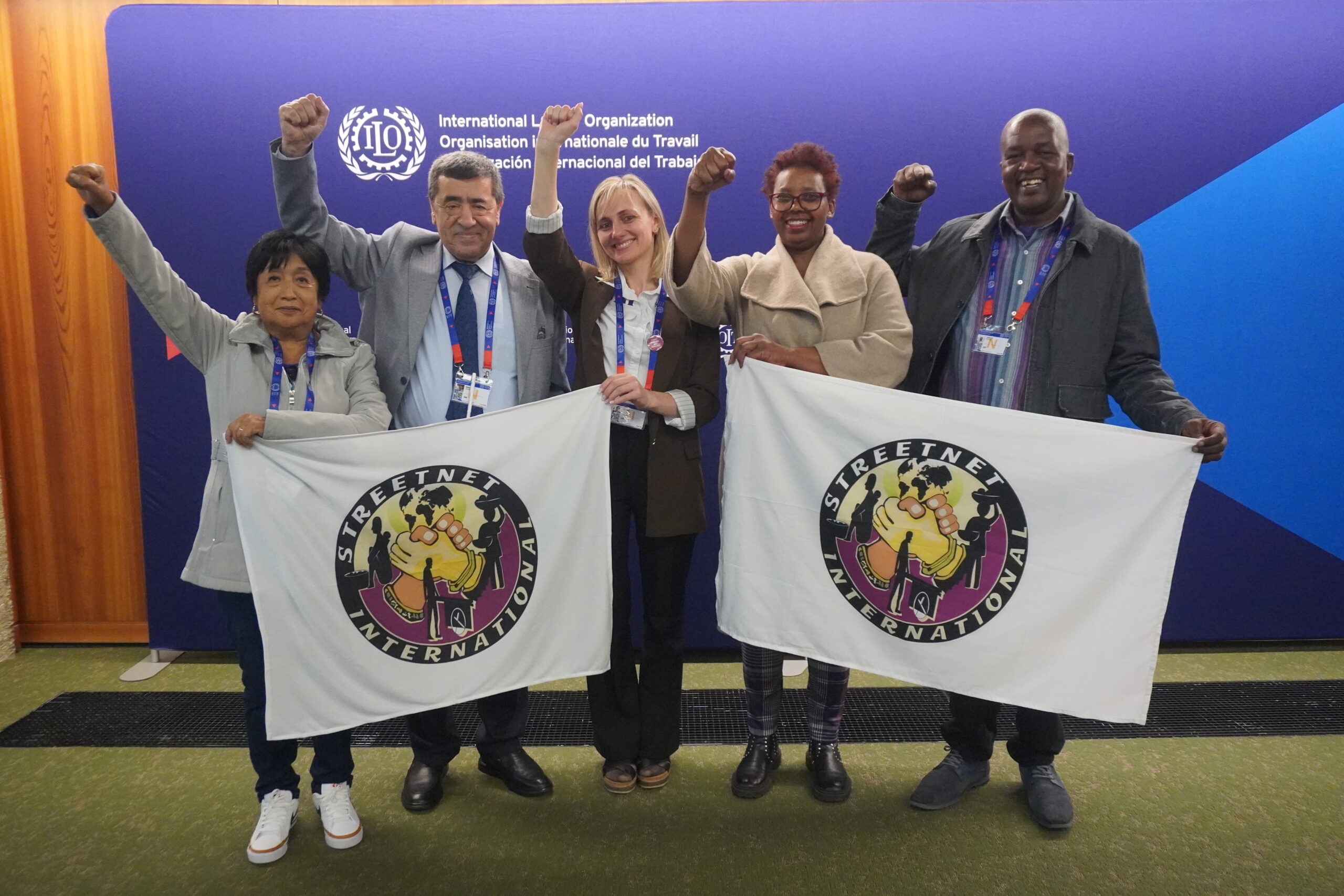
Our delegation was composed by President Lorraine Ndhlovu, Vice-President Alberto Santana, Secretary Jamaladdin Ismalyilov and International Council members Anthony Kwache and Martha García Santoyo, as well as the International Coordinator Oksana Abboud and staff members Margarida Teixeira and Nash Tysmans. We joined as allies the delegations of WIEGO, HomeNet International, International Alliance of Waste Pickers, the Global Platform Workers Solidarity Project and the International Domestic Workers Federation.
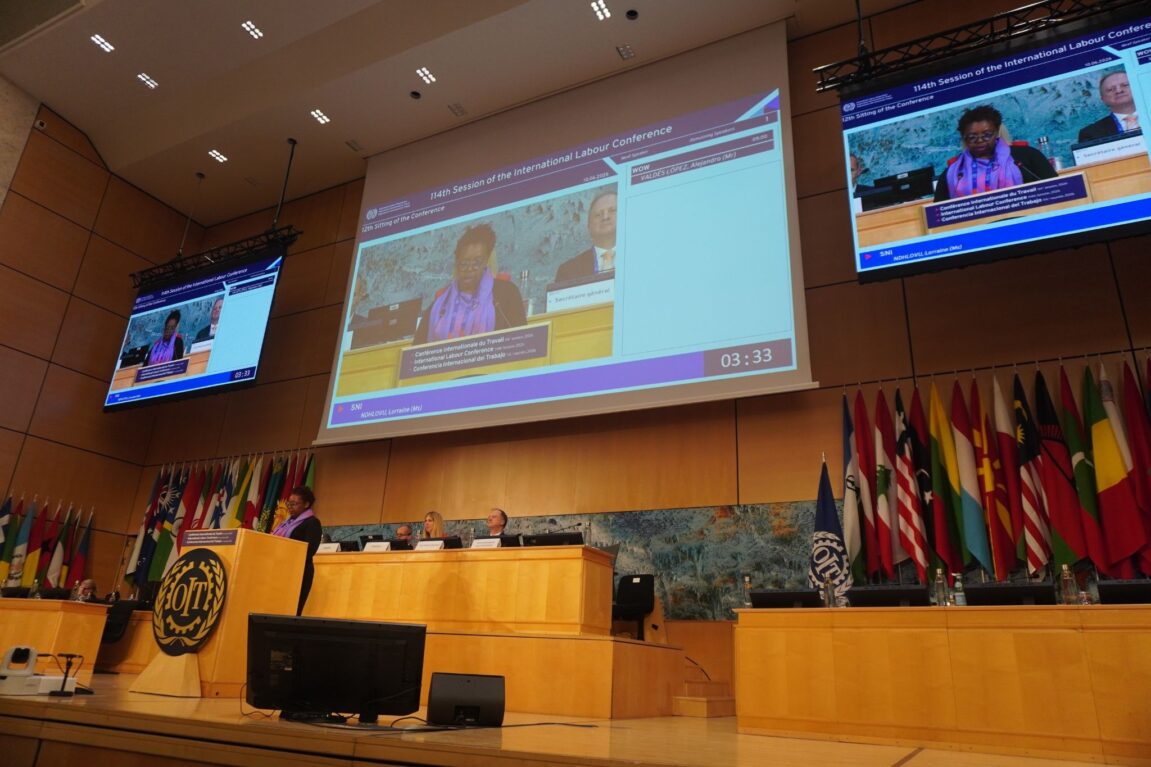
This year, we focused on discussions about “Social dialogue and Tripartism” and the “Decent work in the platform economy”, and our positions were clearly laid out by our President Lorraine Ndhlovu in her plenary speech.
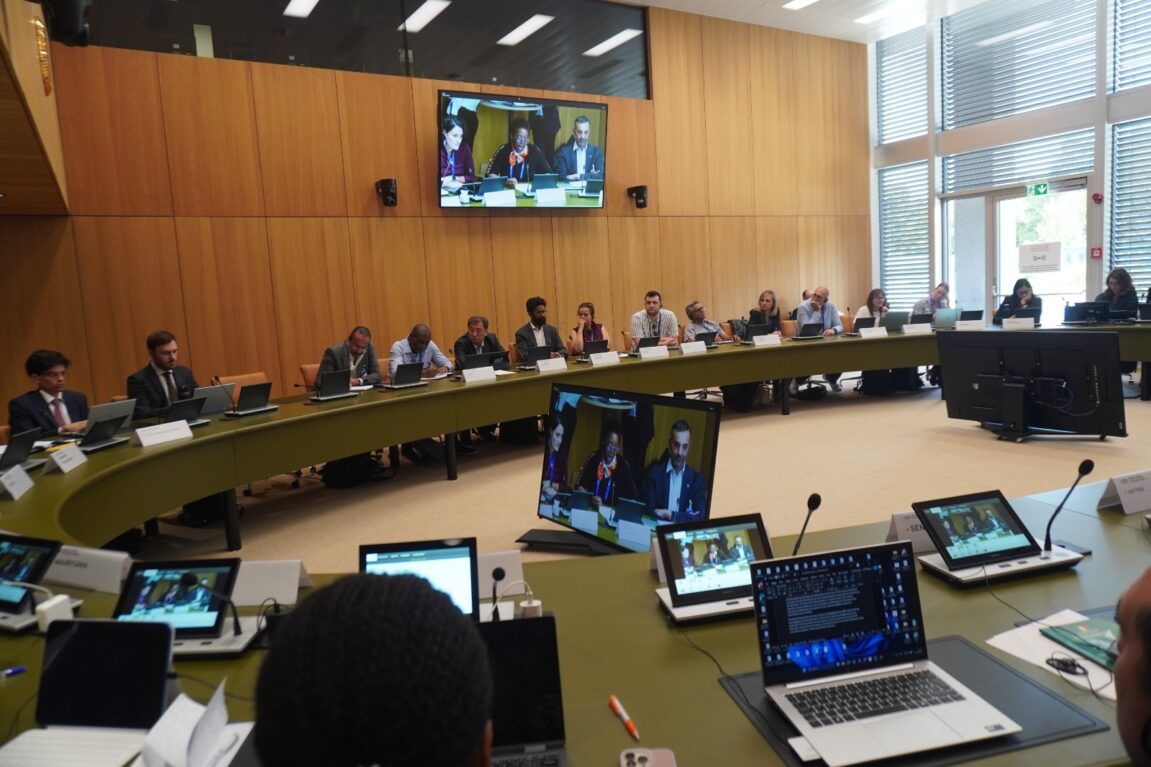
We mainly focused on the Recurrent Discussion Committee on Social Dialogue and Tripartism, considering the importance of inclusive social dialogue for organizations of street and market vendors who are rarely represented in such forums. Founding International Coordinator and current Senior Advisor Pat Horn presented our position to the Opening Session of the Tripartite Committee, emphasizing how participation in social dialogue must go beyond symbolic consultations.
The adopted Conclusions clearly support the need for inclusive social dialogue for informal economy workers:
We also closely followed the Standard-Setting Committee on Decent Work in the Platform Economy, as we understand that the platform economy has become the “new” informal economy and many of the same barriers to representation, just taxation, collective bargaining and access to social protection apply to platform workers as well.
Therefore, we join workers all over the world in celebrating the adoption of Convention 193 concerning decent work in the platform economy, a huge victory for the labour movement considering current constraints in international multilateral processes. Specifically for street and market vendors, this Convention:
This Convention clearly shows that informal economy workers are increasingly being recognized as workers with rights, even when they work in self-employment arrangements and in non-traditional ways (e.g. through digital platforms). We see this trend as a result of the repeated advocacy efforts of StreetNet and allied organizations to expand the ILO’s understanding of the world of work and raise to the forefront the realities of traditionally forgotten workers (to learn more about this topic, you can watch the videos How Informal Economy Workers Fought for Recognition at the International Labour Conference and Rethinking Collective Bargaining in the Age of Informality and Platform Economy).
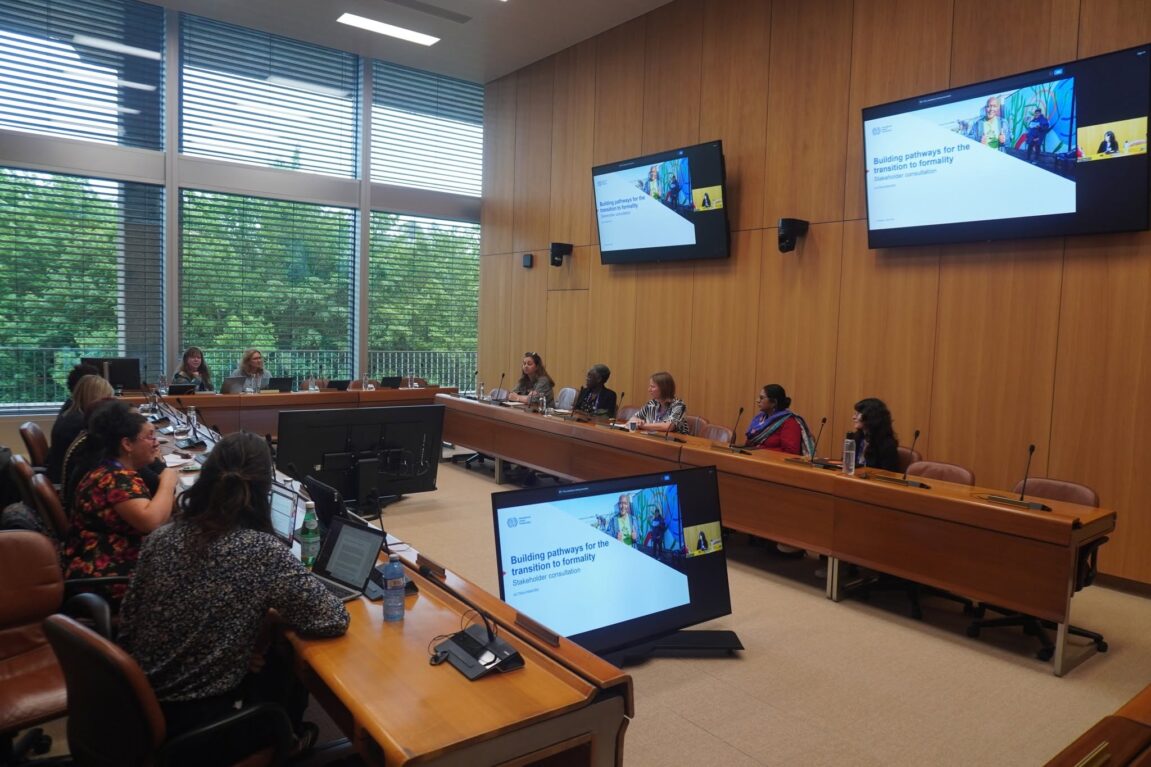
Parallel to the International Labour Conference, we also engaged with allies at the International Labour Organization and attended an informal stakeholder consultation on the Ford Foundation -supported ILO initiative on Building Pathways for the Transition to Formality, where StreetNet representatives expressed its vision about bridging organizations of informal economy workers with traditional trade unions for a joint formalization process and a united collective voice of all workers.
We were also honoured to join the launch meeting of the Group of Friends on the Social and Solidarity Economy at the International Labour Organization in Geneva, which included governments from 30 countries and opened by the ILO as Chair of the United Nations Inter-Agency Task Force on Social and Solidarity Economy. Our President Lorraine Ndhlovu spoke about the importance of the social and solidarity economy for street and market vendors and our commitment and willingness to work together to promote it.