Subscribe to our E-Letter!
Subscribe to our e-mail and stay up-to-date with news and resources from street vendors around the world.

In the markets of Ouagadougou, women are the faces of resilience. They rise before dawn, set up their stalls, negotiate with customers, and remain until nightfall. They sell grilled corn, vegetables, second-hand clothing, fruits, and condiments. They ensure the survival of their families. But behind this energy lies a silent reality: their children are growing up in places that were never meant for them, due to the lack of suitable childcare facilities.
At Sankar-Yaar, a vast and bustling market, Awa keeps her two-year-old son close by. He plays in the dust, sometimes near the roadside, exposed to the dangers of traffic. She explains:
“I have no choice. If I leave him at home, there is no one to take care of him.”
Her testimony reflects a broader reality: the children of women traders do not have access to safe spaces. They spend their days in an environment filled with noise, dust, and hazards. Their childhood unfolds amid the bustle of commerce, without protection or support.
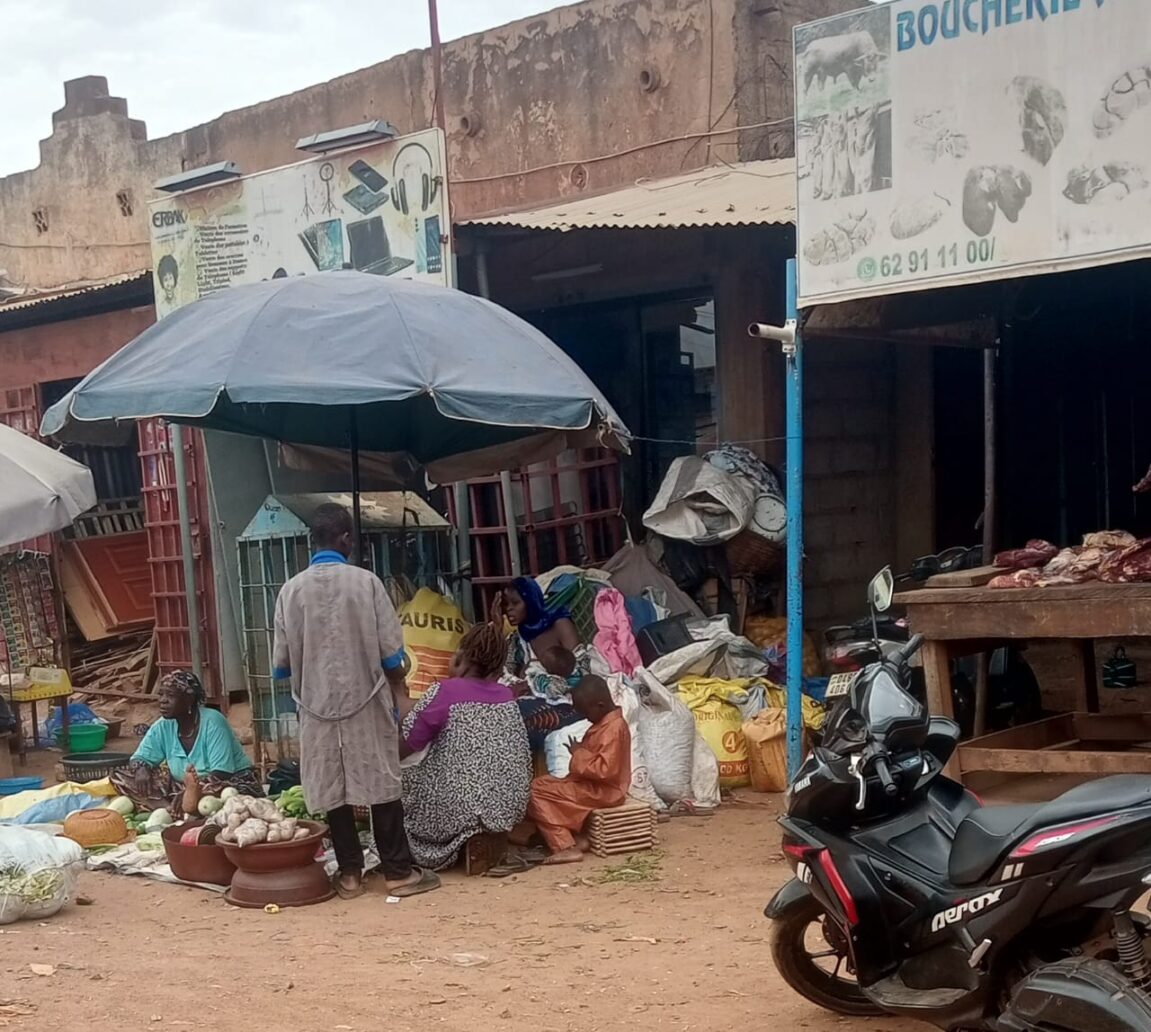
At 14-Yaar, Mariam has been selling vegetables for ten years. Her two daughters accompany her every day. They sleep on sacks of rice, breathe in smoke from cooking fires, and grow up amid the constant noise of the market.
“They have nowhere to learn; they are growing up in the market.”
This daily reality has invisible consequences: chronic fatigue, exposure to illness, and a lack of educational stimulation. These children do not benefit from an environment conducive to learning or play. Their development is compromised from their earliest years.
At Karpala-Yaar, a neighborhood market, women traders have no alternative. Children are tied to their mothers’ backs or sit directly on the ground. Accidents are common: falls, burns, and injuries caused by heavy loads. Respiratory and infectious diseases are widespread, worsened by overcrowding and poor hygiene.
Mothers work under the constant fear that their children may be injured or become ill. They are forced to choose between losing a day’s income or exposing their children to everyday dangers.
At Tols-Yaar, a market specializing in fruits and vegetables, Fatou sells bananas. Her children play among baskets of tomatoes and mangoes. When it rains, they have nowhere to go.
“I come here with my two children. They spend the whole day here, among the stalls.”
This market, essential to the city’s food supply, lacks any childcare facilities. Children grow up in an unstable environment, without spaces for rest, learning, or protection.
An informal survey conducted by SYNAFVL reveals that more than 70% of women traders bring their children to work with them. The consequences are significant:
Dr. Salifou Zongo, a pediatrician in Ouagadougou, explains:
“We regularly receive children suffering from malnutrition or preventable illnesses. Mothers have no alternative. The market becomes their improvised daycare center.”
The women who work in the markets express simple but essential needs:
Some local organizations have attempted initiatives such as temporary daycare services and awareness-raising workshops. However, these efforts remain limited and insufficient given the scale of the problem.
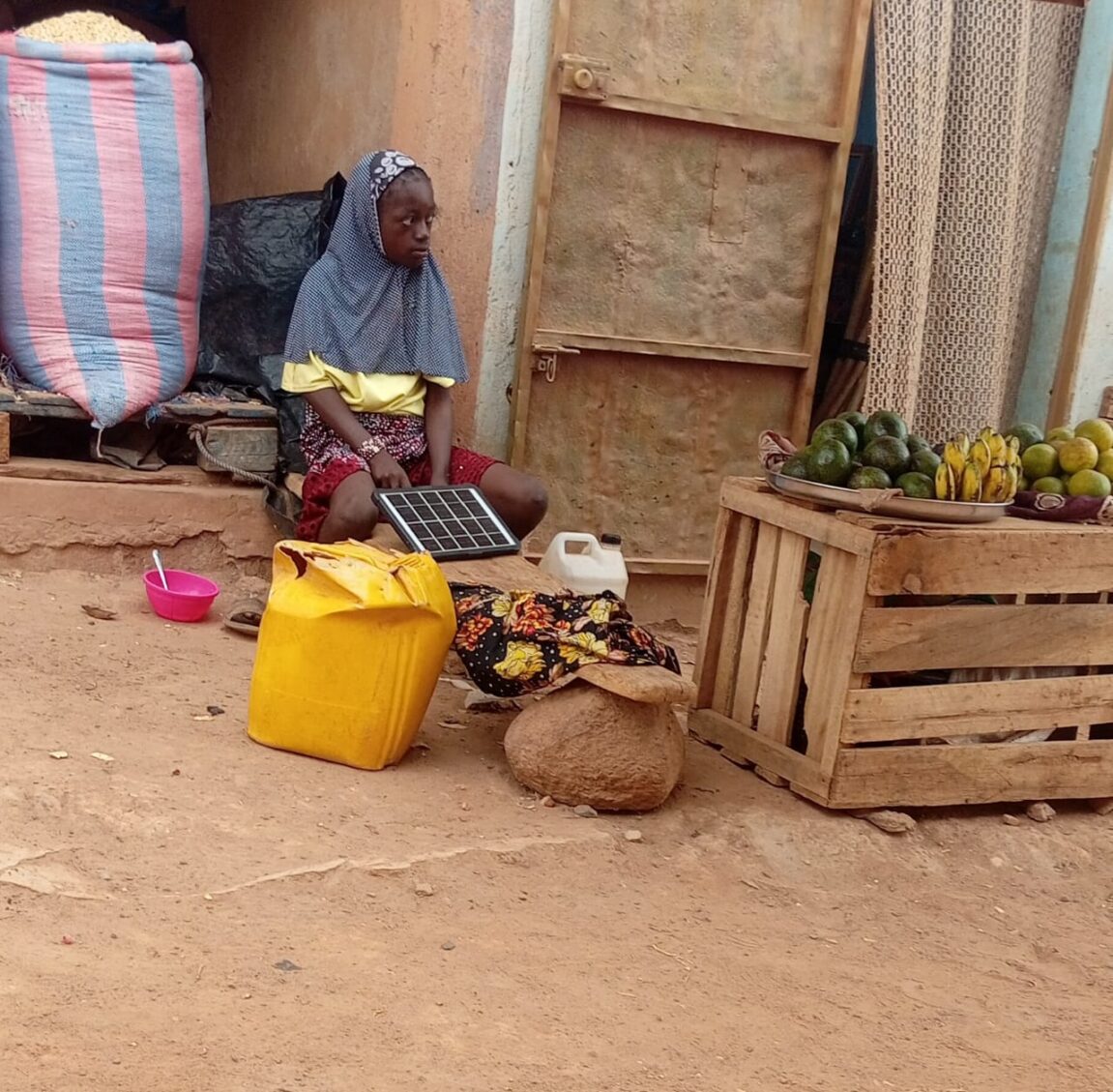
These women are not asking for privileges; they are demanding justice. They carry the informal economy on their shoulders, yet their children bear the cost of society’s indifference. Investing in childcare facilities would:
In the markets of Ouagadougou, women work tirelessly. Yet their children, invisible among the stalls, grow up without protection. Including them in public policy is a way to transform an injustice into a source of collective strength.
Article and pictures by Mohamadi Damiba, Media Activist part of the StreetNet Media Network and member of our affiliate SYNAFVL in Burkina Faso.