When elections become a season of survival: the cost of political violence in Malawi, Zambia and Zimbabwe
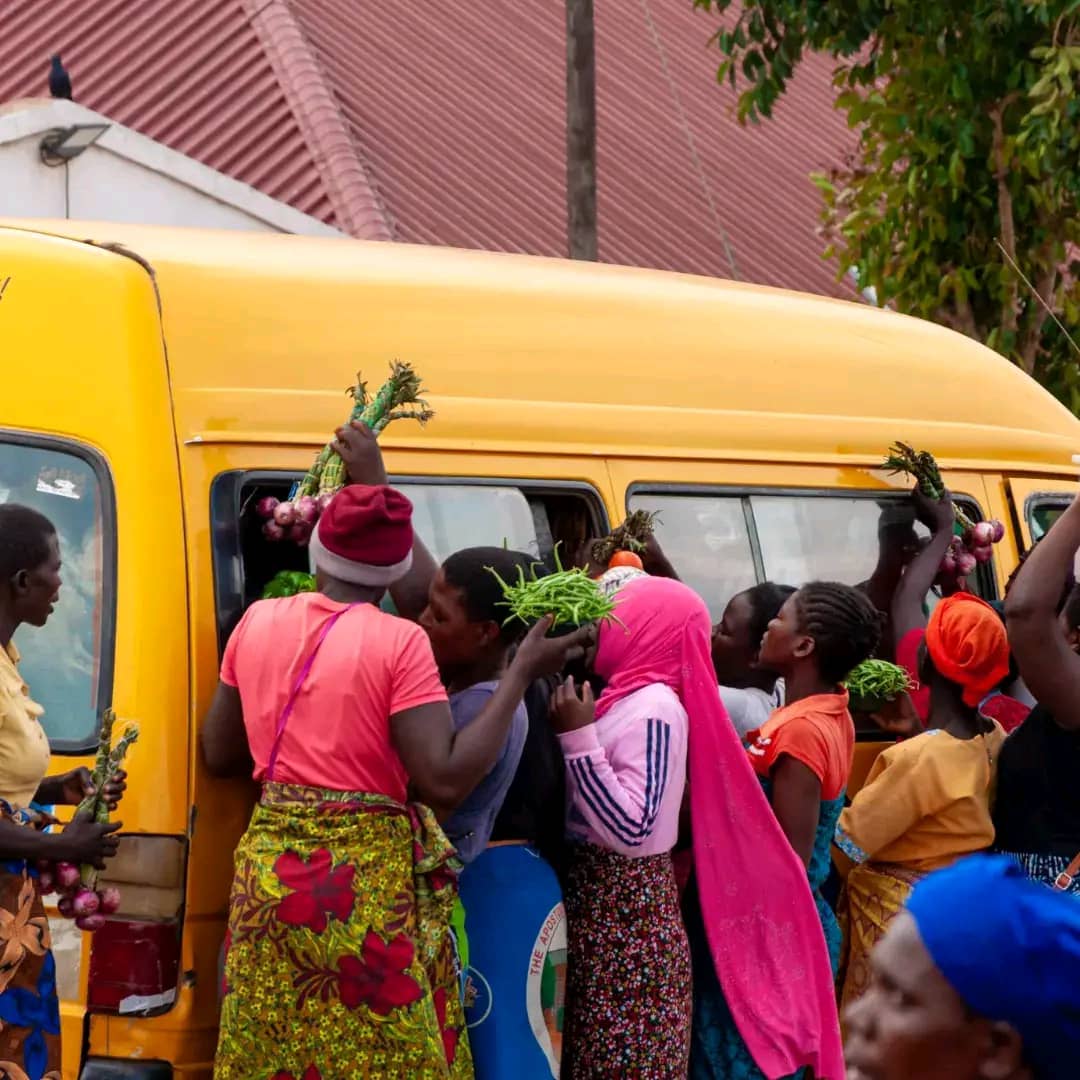
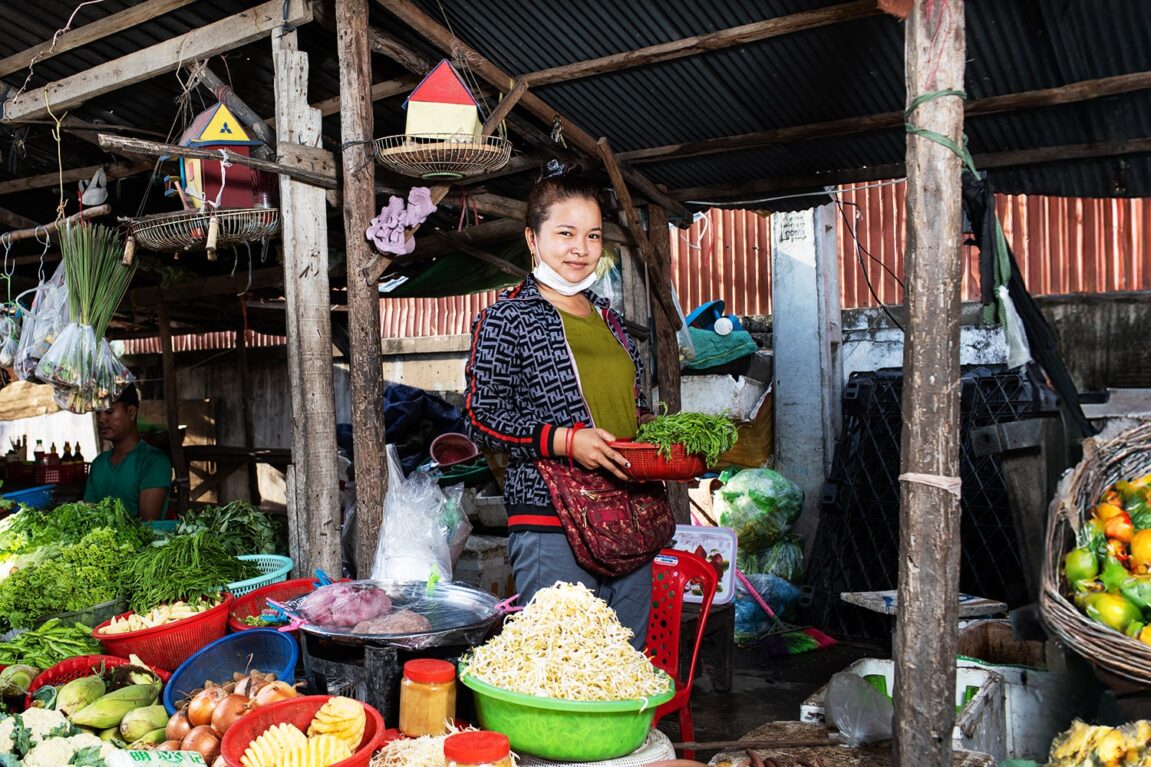
In many African countries, including Malawi, Zimbabwe, and Zambia, election seasons bring severe violence and economic ruin to ordinary citizens. Political rivalries weaponize urban youth, forcing businesses to close and disrupting daily livelihoods in markets and homes. For marginalized communities who suffer injuries and deaths, elections become a struggle not over who wins, but who […]
Decent work in the age of climate change: a street and market vendors’ perspective
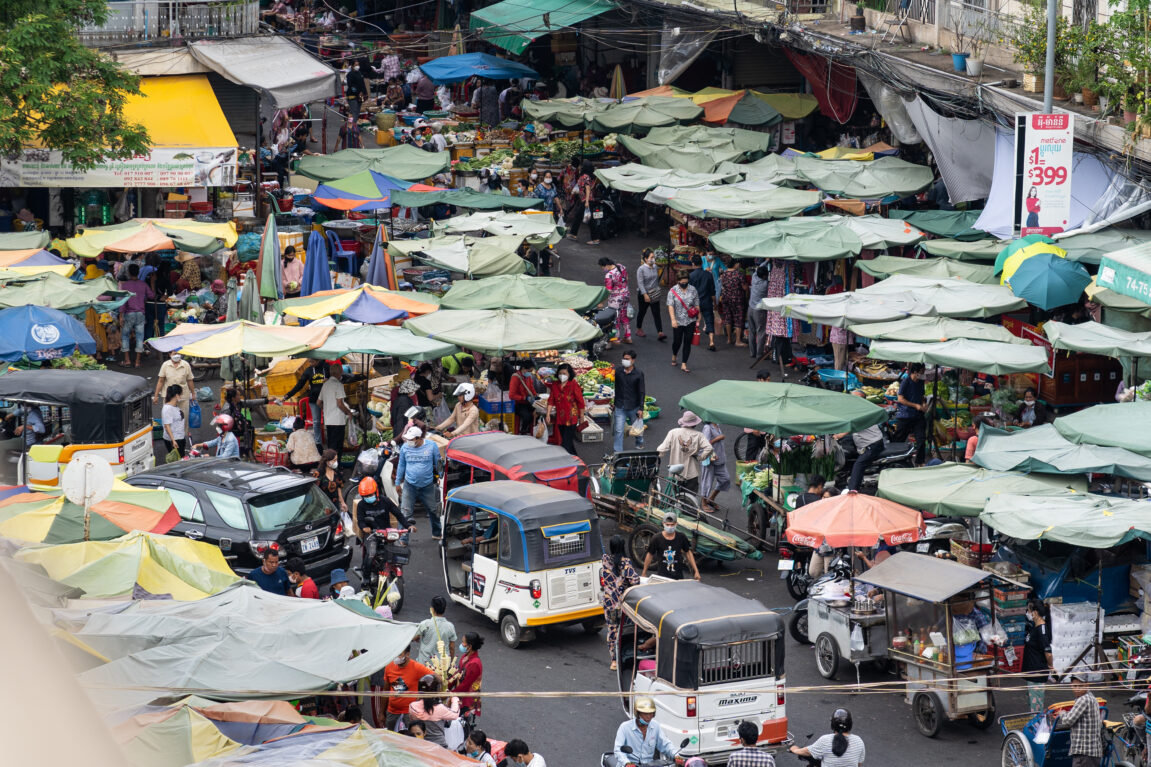
What does decent work mean for a street vendor working through a heatwave, a flooded market or a cyclone? What does it mean when extreme weather destroys stock, makes roads impassable, reduces the number of customers reaching a market, or pushes up the price of the food and goods vendors depend on for their survival? […]
From the Streets to Policy: StreetNet affiliates unite in Accra for social protection expansion for street and market vendors
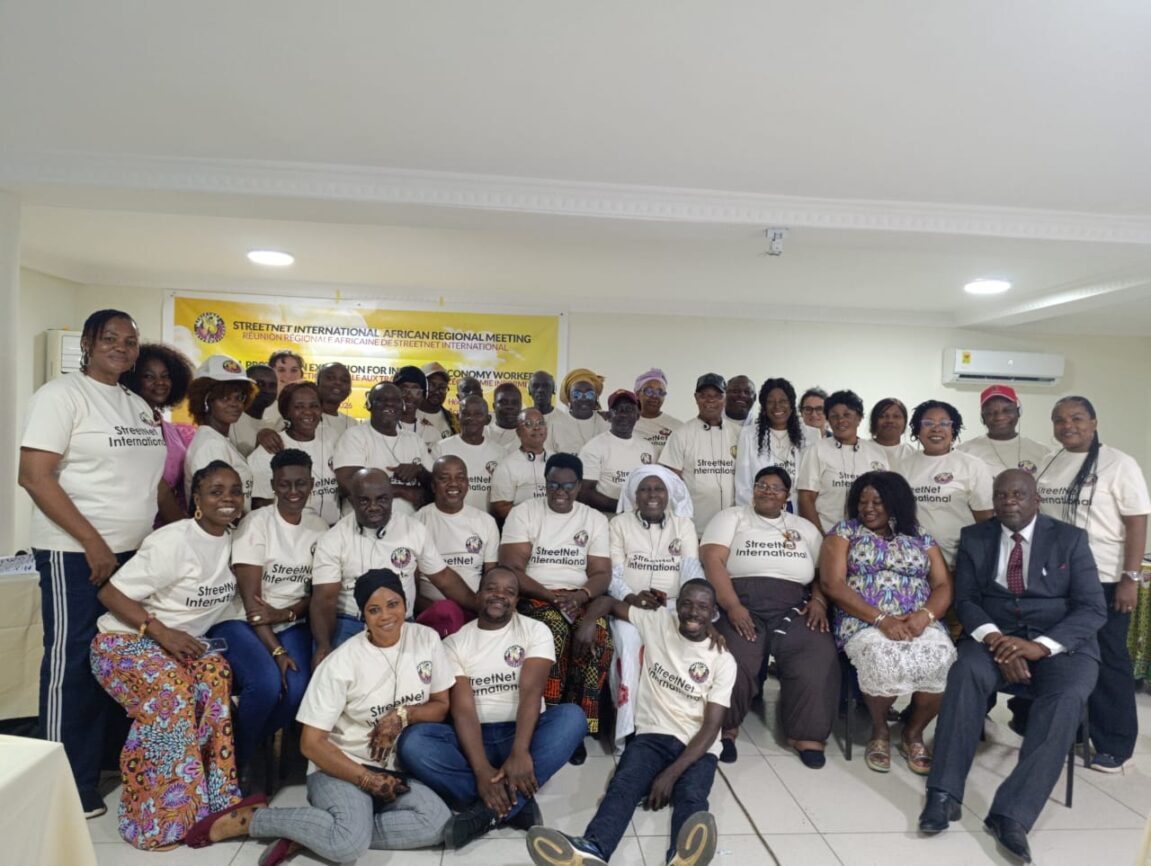
Social protection is a right for all workers. From this simple message, the African affiliates of StreetNet craft a powerful advocacy plan for the informal economy. Imagine starting a working day knowing that one heavy storm, a market eviction, a fire or a health emergency could wipe out your income with no pension, guaranteed sick […]
Dhaka’s new hawker policy: a turning point for workers?
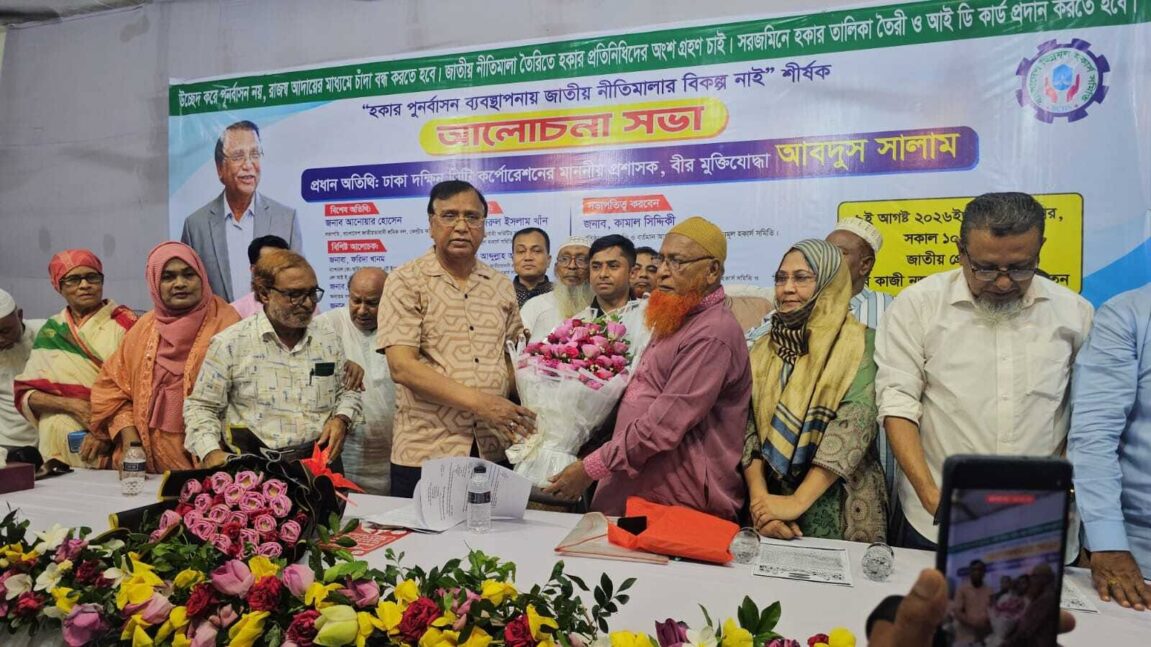
On 17 August 2026, Dhaka South City Corporation (DSCC) brought together hawker leaders, police officials and journalists to Nagar Bhaban for a view-exchange meeting on a new way of managing street hawking in the capital. Chaired by DSCC Administrator Md. Abdus Salam, the meeting laid out the first details of the Hawker Management Policy for […]
Street vendors feed cities in times of war
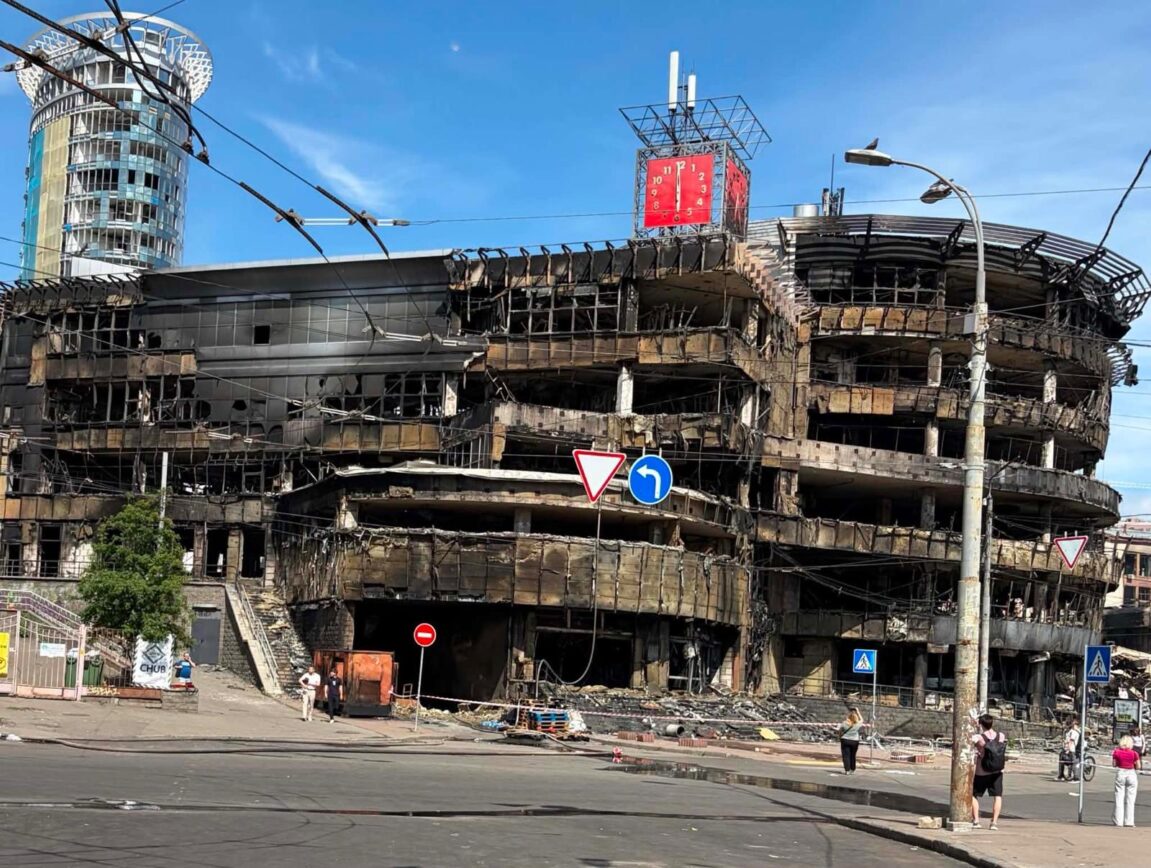
Street and market vendors are usually at the forefront of conflict zones, both essential lifelines for the supply of goods and the most vulnerable targets. Open-air markets have historically been targets for bombing – they are infrastructures of civilian life, meeting points, fundamental hotspots for the life of a city.
Street Vendors Confront the Authoritarian Wave in the Americas
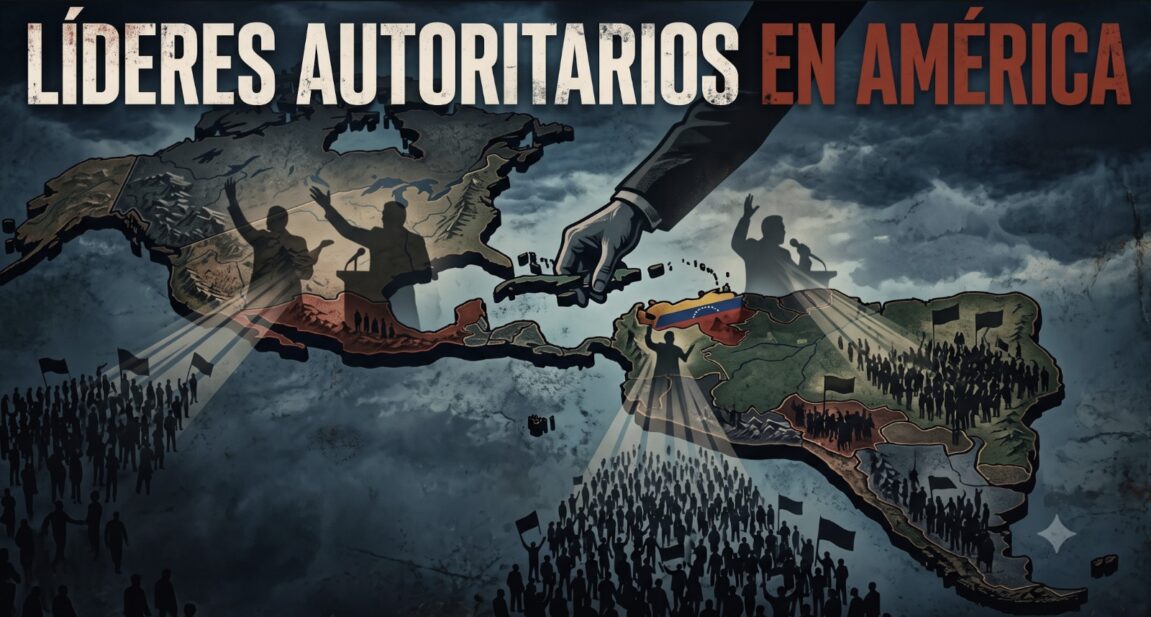
So far in 2026, Latin America finds itself at an unprecedented institutional crossroads. What began in several countries as a promise of “economic freedom” or an “end to corruption” has turned into a regional pattern of power concentration with a common, deliberate target: public space. For the millions of informal economy workers that StreetNet International […]
Women in the Market, Invisible Children
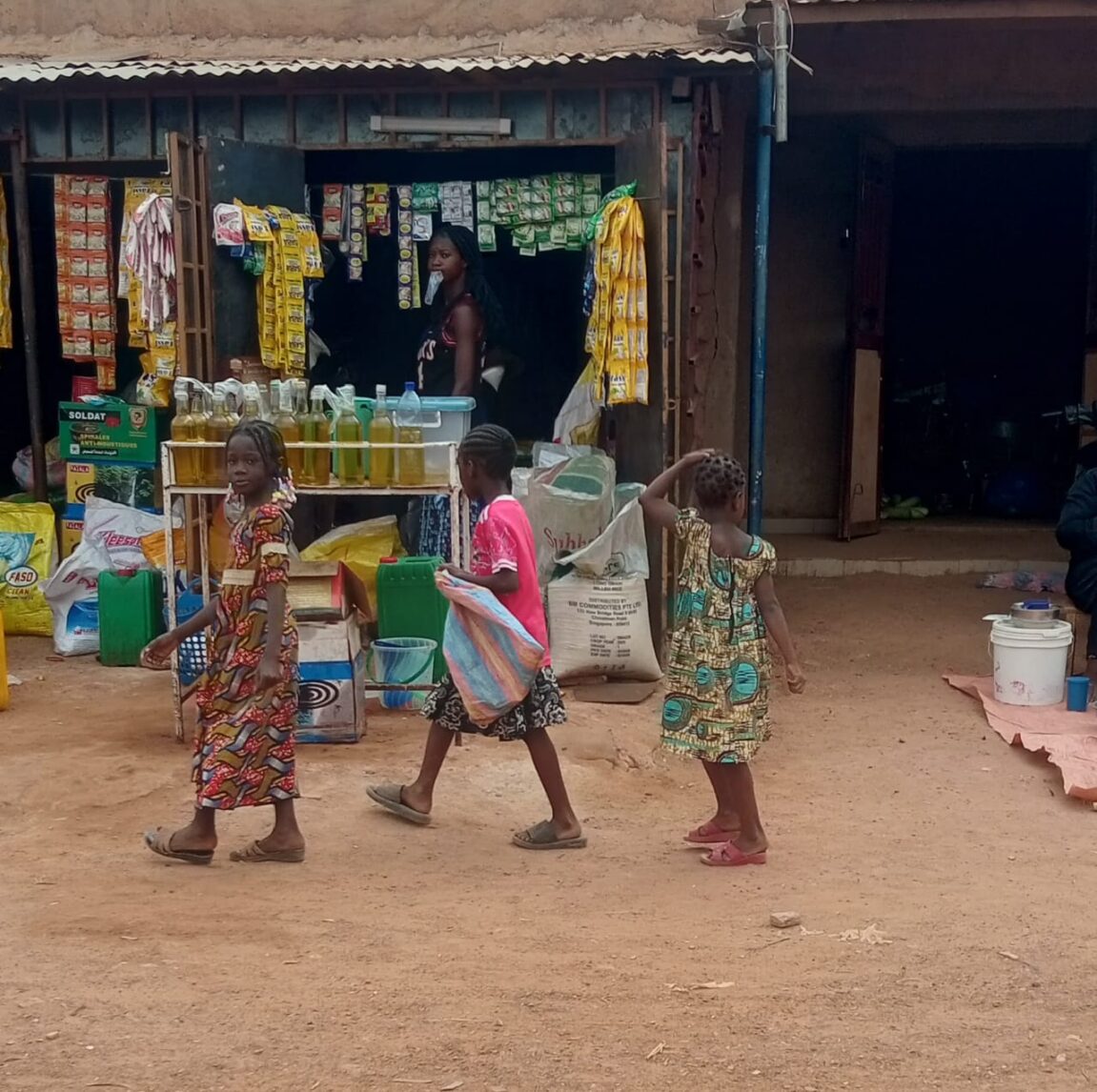
In the markets of Ouagadougou, women are the faces of resilience. They rise before dawn, set up their stalls, negotiate with customers, and remain until nightfall. They sell grilled corn, vegetables, second-hand clothing, fruits, and condiments. They ensure the survival of their families. But behind this energy lies a silent reality: their children are growing […]
From markets to platforms: defending every workers’ rights at the 114th Session of the International Labour Conference
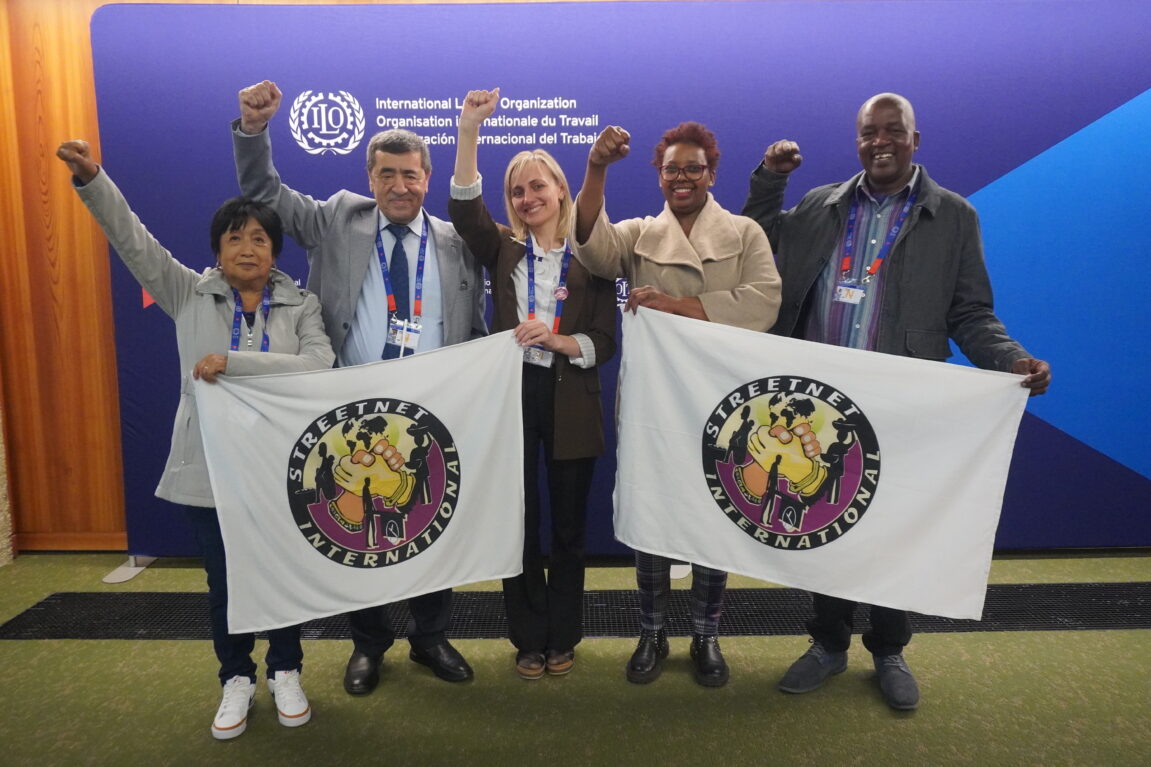
From 1-12 June 2026, StreetNet once again participated at the International Labour Conference, the global tripartite forum where governments, employers and workers come together to discuss and agree on international labour standards. Our delegation was composed by President Lorraine Ndhlovu, Vice-President Alberto Santana, Secretary Jamaladdin Ismalyilov and International Council members Anthony Kwache and Martha García […]
Empowering the Informal Economy: Khathang Tema–LEFITA’s path to structured policy dialogue

For street vendors and cross-border traders, negotiation skills are the ultimate tool for survival and growth. Without formal contracts or legal safety nets, workers rely heavily on collective bargaining to secure trading spaces, fight unfair eviction and navigate complex cross-border trade policies. by Uthman Kaisi In March 2026, Streetnet International conducted a Negotiation Skills Follow-up […]
In Togo, workers are choosing social and solidarity economy
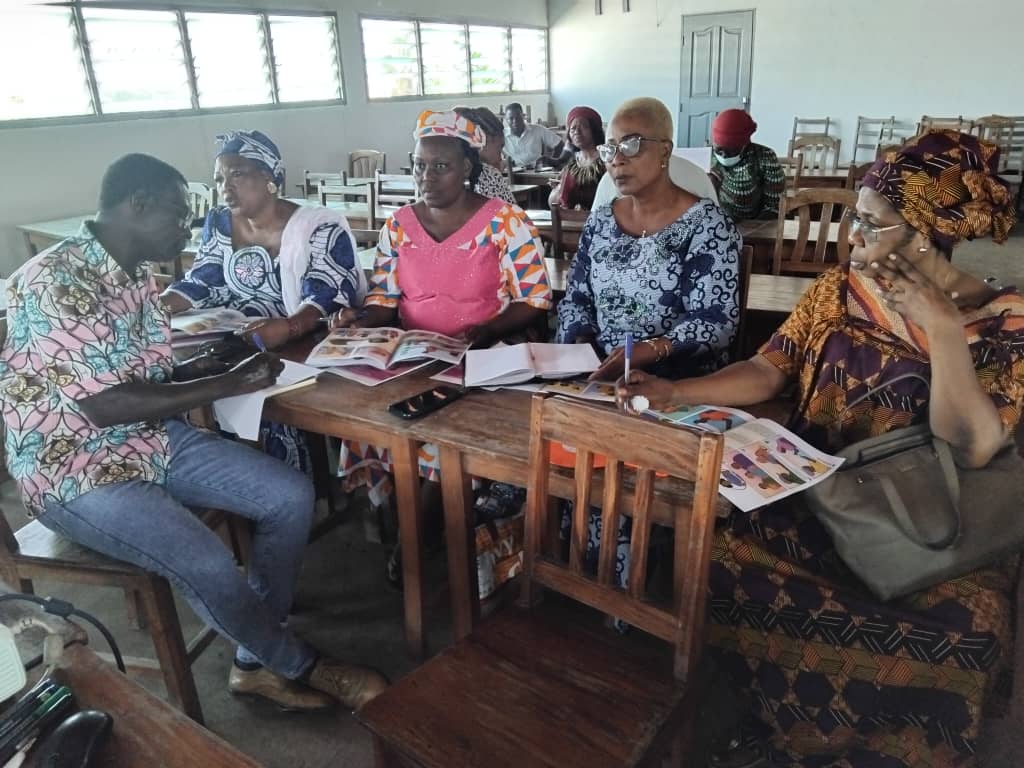
FAINATRASIT is undergoing training in the social and solidarity economy to empower informal economy workers reaching financial autonomy In a context where workers in the informal sector struggle to access formal financial services, a training session on the social and solidarity economy (SSE) brought together thirty delegates from the Federation of National Associations and Initiatives […]