Subscribe to our E-Letter!
Subscribe to our e-mail and stay up-to-date with news and resources from street vendors around the world.

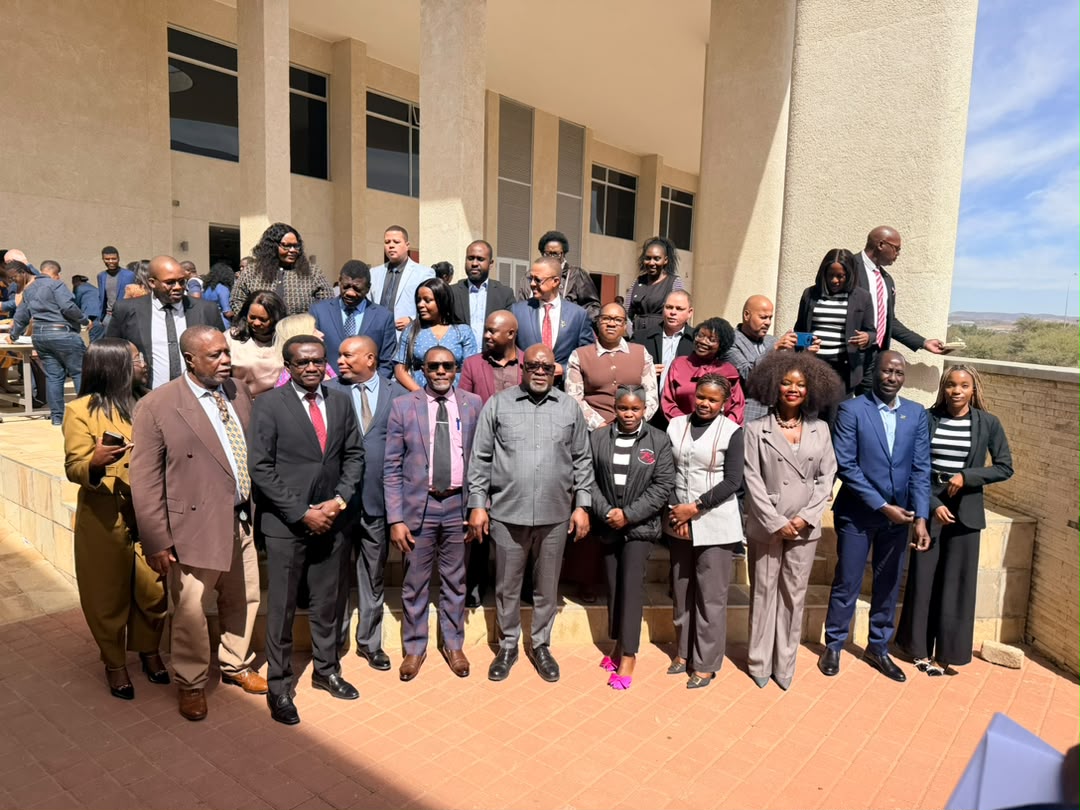
The Government of the Republic of Namibia officially launched the National Technical Committee on Institutionalizing the Informal Economy on 21 August 2026 at the Namibia Institute of Public Management (NIPAM) in Windhoek. This is a formal recognition that the informal economy is not a peripheral anomaly but a central pillar of the nation’s economic and social fabric.
The establishment of the National Technical Committee represents a significant step in implementing ILO Recommendation 204 concerning the transition from the informal to the formal economy. This international framework provides guidance for member states to facilitate the formalization of informal economic units and workers, while respecting their rights and ensuring their protection.
By establishing this committee, Namibia has demonstrated its commitment to international labour standards and its determination to create decent work opportunities for all its citizens, regardless of their employment status.
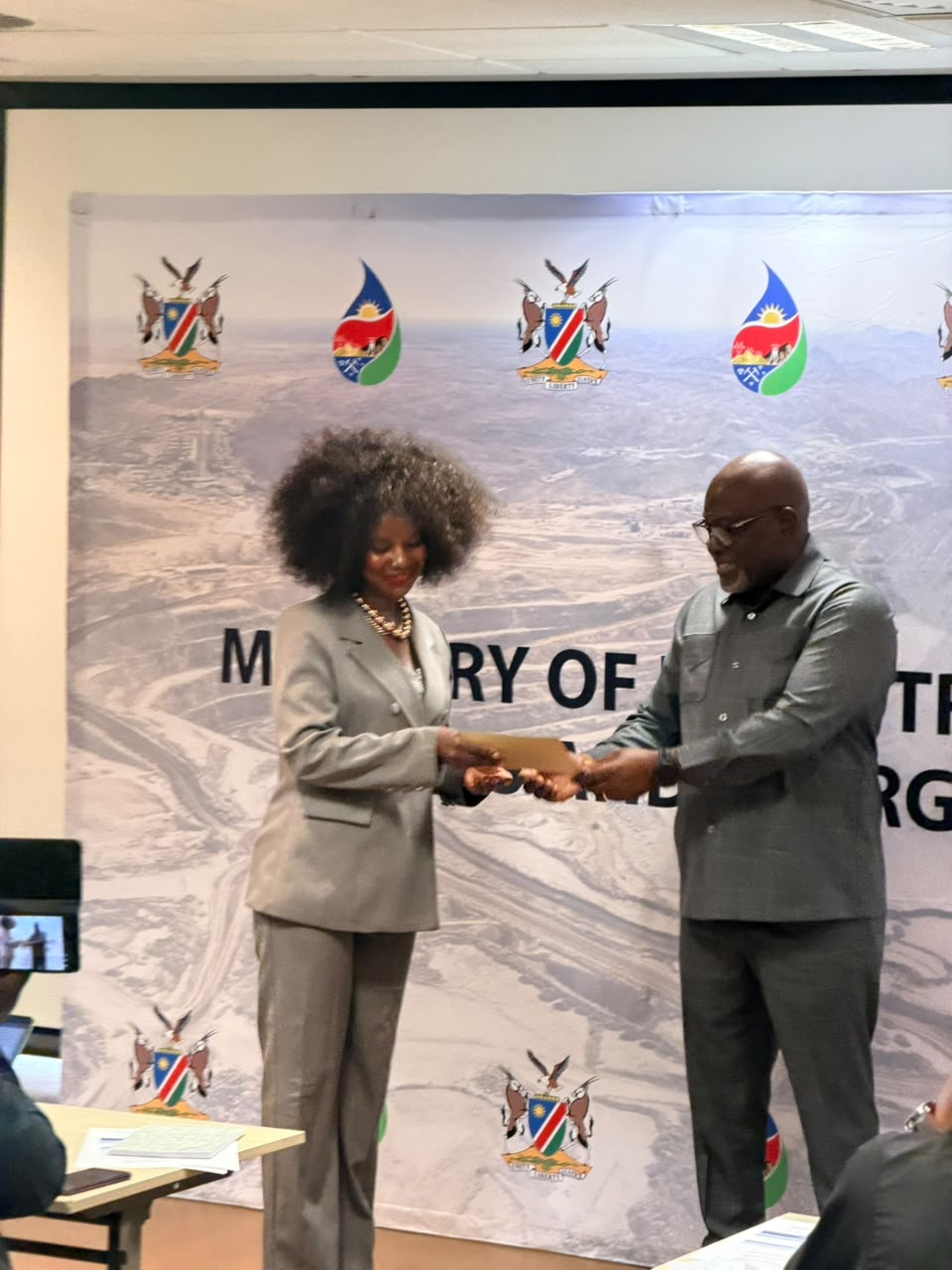
Tangeni Shindondola, a secretary general for Namibia Informal, Domestic Workers Allied Union, which is StreetNet International affiliate, is one of the people who were appointed to serve on the National Technical Committee. “To serve on this committee means a great accomplishment to me as well as informal economy workers and traders in Namibia”, she said
For decades, the informal economy in Namibia operated largely in the shadows: it was unrecognized, unprotected, and undervalued. The launch of the National Technical Committee changes that narrative.
“The committee brings together informal economy associations and focal point persons from various government ministries, creating an unprecedented platform for collaborative planning, coordination, and implementation. This multi-stakeholder approach ensures that the voices of informal workers and traders who have long been the backbone of local economies are finally heard at the highest levels of policy formulation” explained Tangeni.
Tangeni adds “The urgency of this institutionalization effort is underscored by compelling data. According to the National Diagnostic Study on Informality in Namibia, 58% of Namibians are employed in the informal economy. The majority of these workers are women and youth, who constitute the most vulnerable segments of the workforce yet remain the most enterprising”.
Women represent a significant proportion of informal employment in Namibia, with many engaged in food, agro-processing, and agriculture across all 14 regions of the country. This demographic reality makes the institutionalization of the informal economy not just an economic imperative but a matter of social justice and gender equity.
The central message emerging from this historic launch which Tangeni focused much when speaking at the launch was as simple as “Embrace the informal economy, its value, its potential, and its contribution to Namibia’s economy and society”. This is not merely an aspirational statement but a call to action that will define the committee’s work plan for the next five years.
The working relationship between informal economy associations and government ministries as emphasized by Tangeni represents a new model of governance one based on co-creation rather than top-down imposition. This partnership means planning together, ensuring that policies reflect the lived realities of informal economy workers, sharing ideas, drawing on diverse expertise and perspectives, investing in the informal economy, recognizing it as a legitimate and vital sector worthy of public investment
The committee’s work plan for the coming years is ambitious but achievable. The focus is on creating the right environment for the informal economy to grow, including enabling policies that recognize and support informal economic activity, access to finance, markets, and business development services, infrastructure that facilitates rather than hinders informal trade and social protection that provides a safety net for workers and their families.
The launch of the National Technical Committee on Institutionalizing the Informal Economy on 21 August 2026 at NIPAM represents a defining moment in Namibia’s economic history. It signals that the government has recognized the prospects, potential, and contributions of the informal economy to the country’s economic and social development, as well as its GDP-
“The informal economy is now being viewed as a contributor to the economic and social development of the Namibian Economy,” Tangeni affirms. The task ahead is to ensure that this view translates into action that can change the lives of millions of Namibians.
This article was written by Uthman Kaisi, Regional Communicator.