Subscribe to our E-Letter!
Subscribe to our e-mail and stay up-to-date with news and resources from street vendors around the world.
Decent work is defined by the International Labour Organisation as “productive work for women and men in conditions of freedom, equity, security and human dignity”. Such conditions cannot be satisfied without taking into account how climate change affects workplaces, health, social protection cycles, and ultimately labour rights.
For World Day for Decent Work 2026, we looked at the impact of climate change on street and market vending at different levels. As low-income workers in public spaces, street vendors are certainly among the segments of population more subjected to the consequences of climate disasters. On the other hand, we contribute to building the resilience of urban environments. The narrative about decent work and climate change should take into account both these aspects and perspectives.
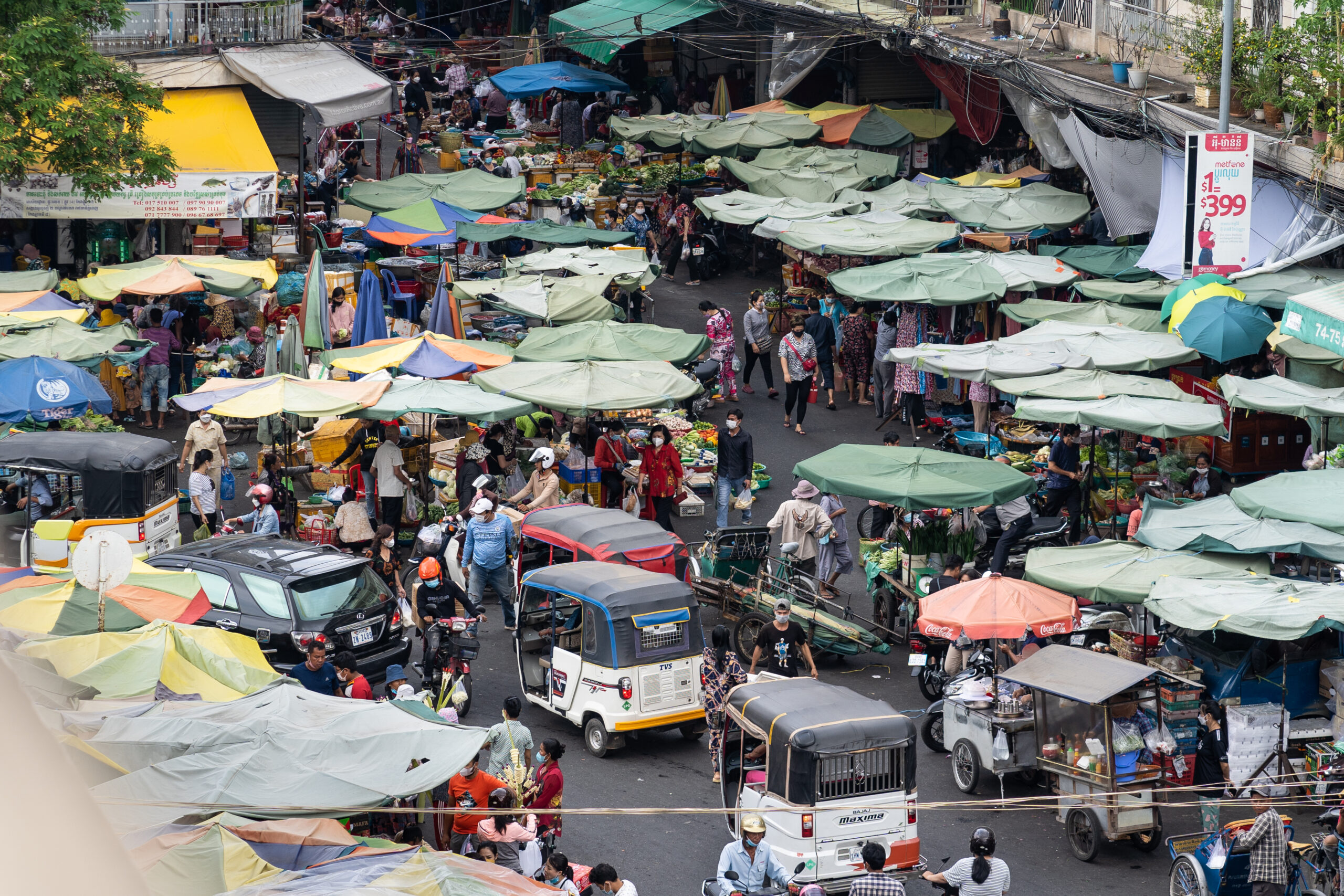
Street and market vendors work in the public space. Cities are their workplace. Streets, pavements, market structures, transport systems, drainage, shade, sanitation and access to drinking water are essential parts of vendors’ working conditions. If such infrastructure fails, climate hazards become labour rights violations.
StreetNet affiliates in Rwanda, Burundi and other African countries have described floods destroying goods and infrastructure and making roads impassable. In Southeast Asia, vendors face similar problems. Heavy rains and flooding prevent customers from reaching stalls and force vendors to transport goods through dangerous waters. Extreme heat makes long working days physically exhausting and creates additional expenses.
Climate leads also to the spread of diseases and heavy sanitation risks. In Malawi, one vendor declared that “Severe drought conditions in the country have drastically reduced access to safe water, increasing the risk of waterborne diseases. During the rainy season, we also experience floods which makes it hard for us to reach our business places since there is water all over”.
Climate-resilient infrastructure must therefore be understood as labour infrastructure. The city of the future will have to take into account street and market vendors, and build resilient infrastructure around their needs. This means, as recommended by our recent study Weathering the Change, that analyses the cases of Vietnam, Laos e Cambodia that authorities and governments should “establish designated vending areas equipped with basic infrastructure, such as clean water, electricity, and security services. This would alleviate some of the logistical burdens vendors face, particularly in extreme heat and floods”
Communication and timely information is key, and should be considered part of the essential adaptation infrastructure. In Delhi and Bangkok, we see vendor-led forms of early warning and risk communication using accessible channels such as posters and messaging through vendor LINE groups (LINE is an instant messaging app, similar to Telegram and Whatsapp). These systems could become much more effective if connected to official meteorological information and other open source scientific data.
Drought, flooding, storms and changes in rainfall can damage production long before goods reach urban markets.
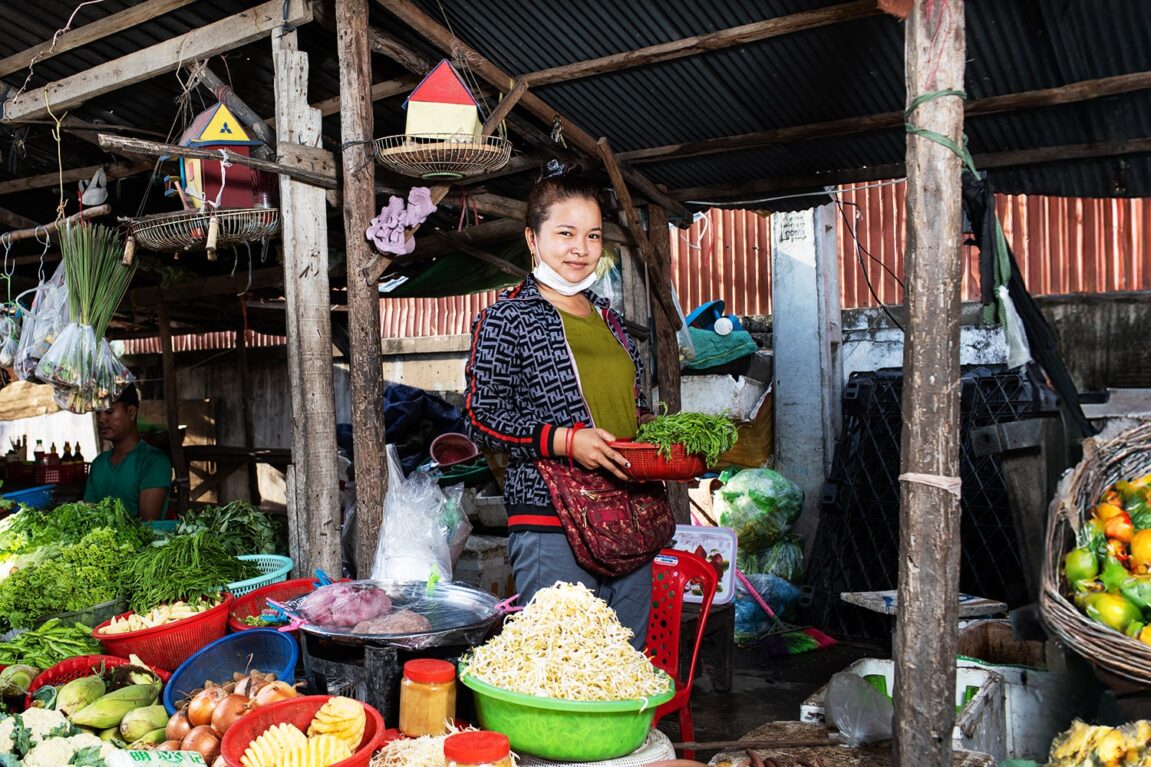
In the Democratic Republic of Congo, floods and irregular rainfall are destroying crops. In Côte d’Ivoire, affiliates report that changes in precipitation are affecting agricultural activities. In Burkina Faso, extreme heat damages perishable goods. In Vietnam, drought and saltwater intrusion in the Mekong Delta have reduced yields of fruits and vegetables, while typhoons and flooding in central regions have damaged farmland. These disruptions create shortages, price volatility and higher transport and logistics costs.
Such hardships can be tackled by microfinance and specific cash support to small business owners or by more systemic approaches, such as price control for essential commodities and goods.
“In Rwanda, climate change has become an undeniable reality for workers in the informal economy. Torrential rains and flooding destroy goods and infrastructure, leaving informal traders, who already work with very little protection, among the hardest hit. The government has introduced some support measures, such as disaster response and early warning systems, but much more remains to be done.” explained Jennnette Nyiramassengesho, leader of SYTRIECI Rwanda and StreetNet Treasurer.
A flood can prevent a vendor from working for several days. Extreme heat can make work dangerous. A storm can destroy an entire stock of merchandise in a few hours.
Workers who already operate with limited social protection are experiencing increasingly severe shocks to their livelihoods. Our affiliates have therefore explicitly called for social protection instruments tailored for climate risks – alongside resilient infrastructure and community-level adaptation, including during the last regional meeting in Accra, Ghana, focussed on the topic of social protection.
Research in Cambodia, Laos and Vietnam found that vendors receive little targeted government assistance during climate emergencies. Instead, workers frequently rely on savings, relatives, and informal support networks. This increases the risk of indebtedness and financial insecurity, thus feeding the cycle of poverty.
What climate responsive social protection can look like? It can include emergency income support when extreme weather prevents people from working, access to healthcare for heat- and climate-related illnesses, affordable insurance, disaster assistance and support to replace damaged goods or equipment.
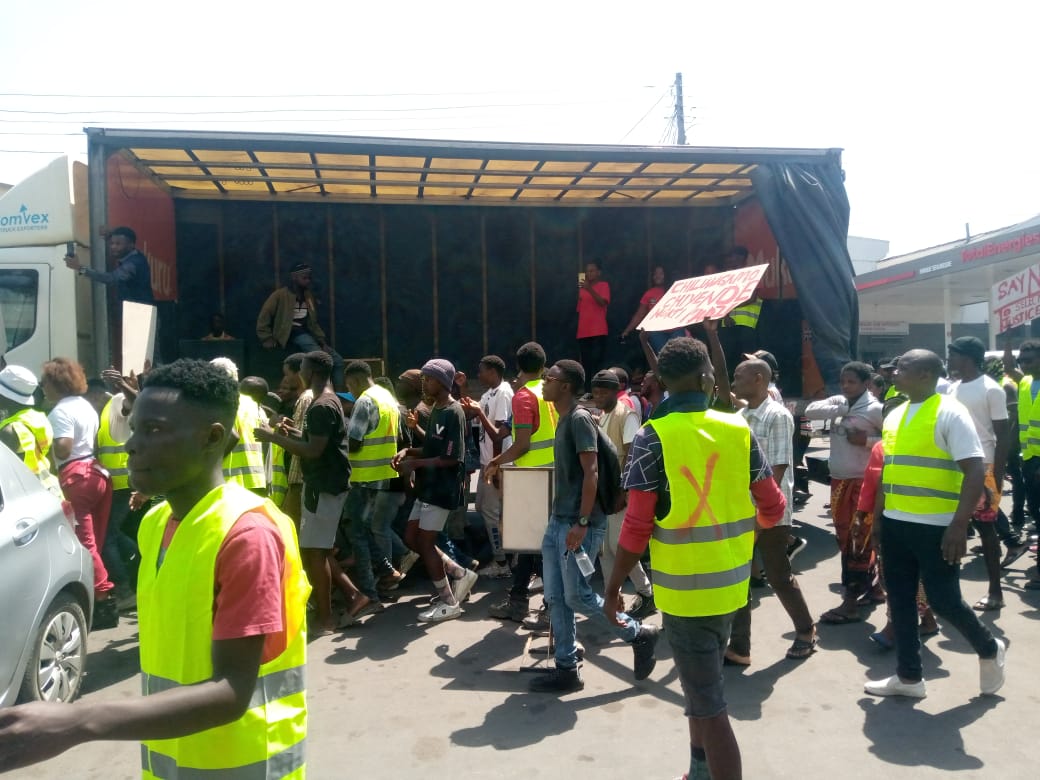
Street vendors organise to combat and adapt through climate change, crucially through their unions and local organisations. In Africa, StreetNet affiliates have organised reforestation campaigns, awareness workshops, solidarity funds and advocacy for better infrastructure.
In the Democratic Republic of Congo, the LDFC trains members in agroecology and composting. In Burkina Faso, SYNAVFL conducts reforestation and market clean-up campaigns. In Burundi, SYVEBU works with women on preventing illnesses associated with rain and cold, while in Rwanda SYTRIECI promotes stronger shelters, community warning systems and climate-risk training. In Durban, South Africa, an organization called Asiye eTafuleni co-designs market-level interventions with traders themselves. This has included addressing poor ventilation, flooding linked to blocked drainage and waste accumulation.
In Malawi, vendors from MUFIS have also participated in tree planting, community clean-ups and climate awareness activities while adapting their livelihoods and farming practices to changing environmental conditions.
At their business and individual levels, vendors respond by reducing stocks of perishable food before storms, processing products to extend their shelf life, adapting what they sell according to weather conditions. They also try to contact customers beforehand to know how much produce they expected to sell, with the goal of reducing waste. Individual and collective resilience can go hand in hand, offering flexible solutions to rapidly evolving environmental challenges.
As street and market vendors, from conflicts to pandemics, we have shown time and time again that we rise up and adapt to global crises and changing circumstances to defend our communities. It is time that both our demands and contributions for climate justice are recognized. Nothing for us without us!

By entering your personal data and clicking “Suscribe,” you agree that this form will be processed in accordance with our privacy policy. If you checked one of the boxes above, you also agree to receive updates from the StreetNet International about our work