Subscribe to our E-Letter!
Subscribe to our e-mail and stay up-to-date with news and resources from street vendors around the world.
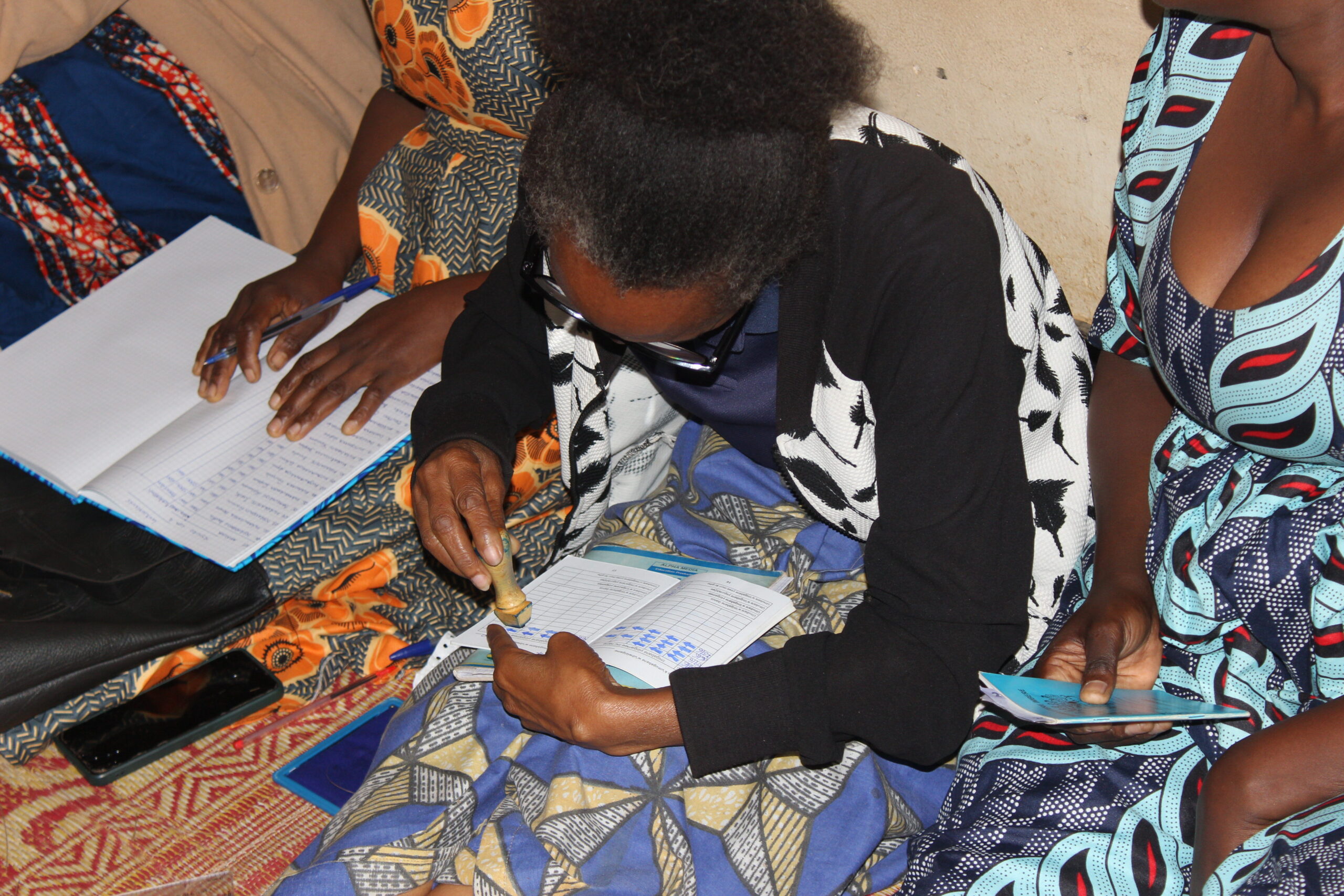
Launched to support informal economy workers in organizing themselves into savings groups, Tuzamukane focused on building financial skills, trust, and collective resilience. Beyond saving money, the project empowered workers, especially women, to take control of their livelihoods and strengthen their collective voice.
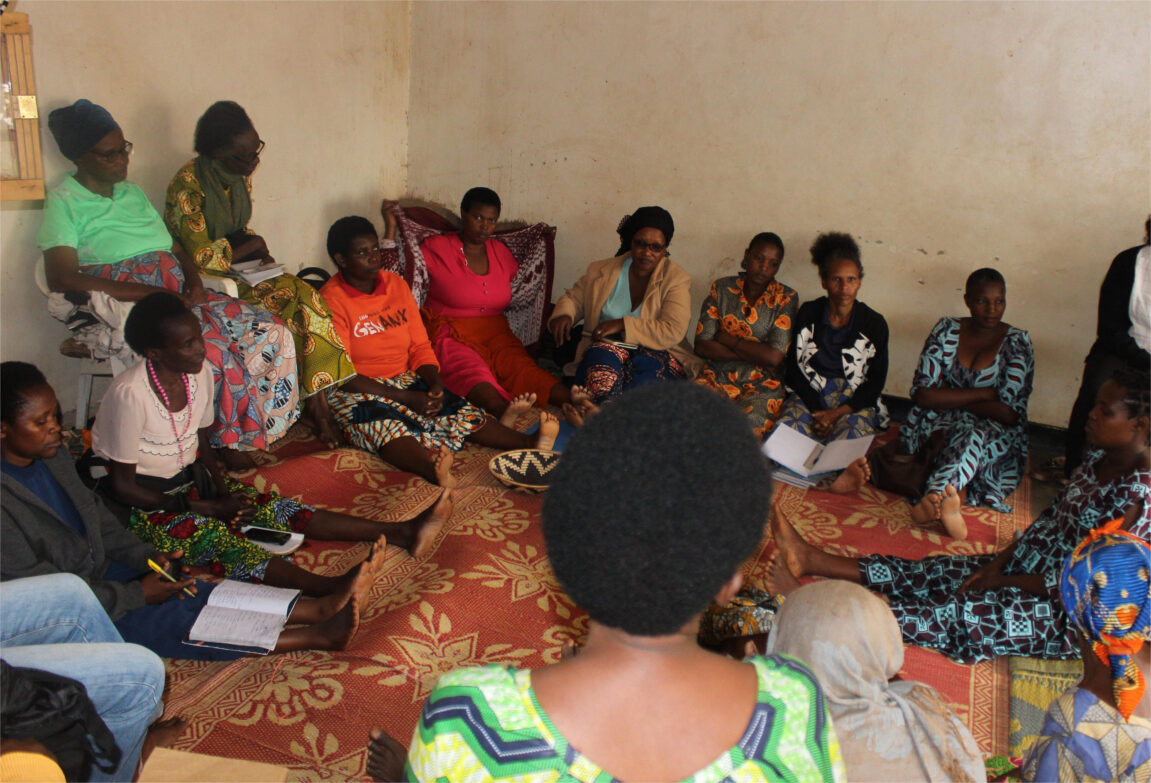
“Before joining the Tuzamukane savings group, I had no way to prepare for emergencies,” says Seraphine, a savings group leader. “Through saving together with other women, I learned financial discipline, gained confidence, and found strength in collaboration. Today, I can support my family when challenges arise, and as a leader, I see how working together helps all of us become more secure, resilient, and confident as workers.”
Through Tuzamukane, informal economy workers received training on:
As a result, 45 savings groups were established, providing members with a safe space to save, access small loans, and support one another during difficult times. For many women workers, these groups also became platforms for leadership and peer learning.
Project facilitators observed notable changes among participants: increased discipline in saving, stronger group cohesion, and greater confidence in managing both individual and collective finances. The savings groups did not only improve economic stability, they strengthened social bonds and collective organization.
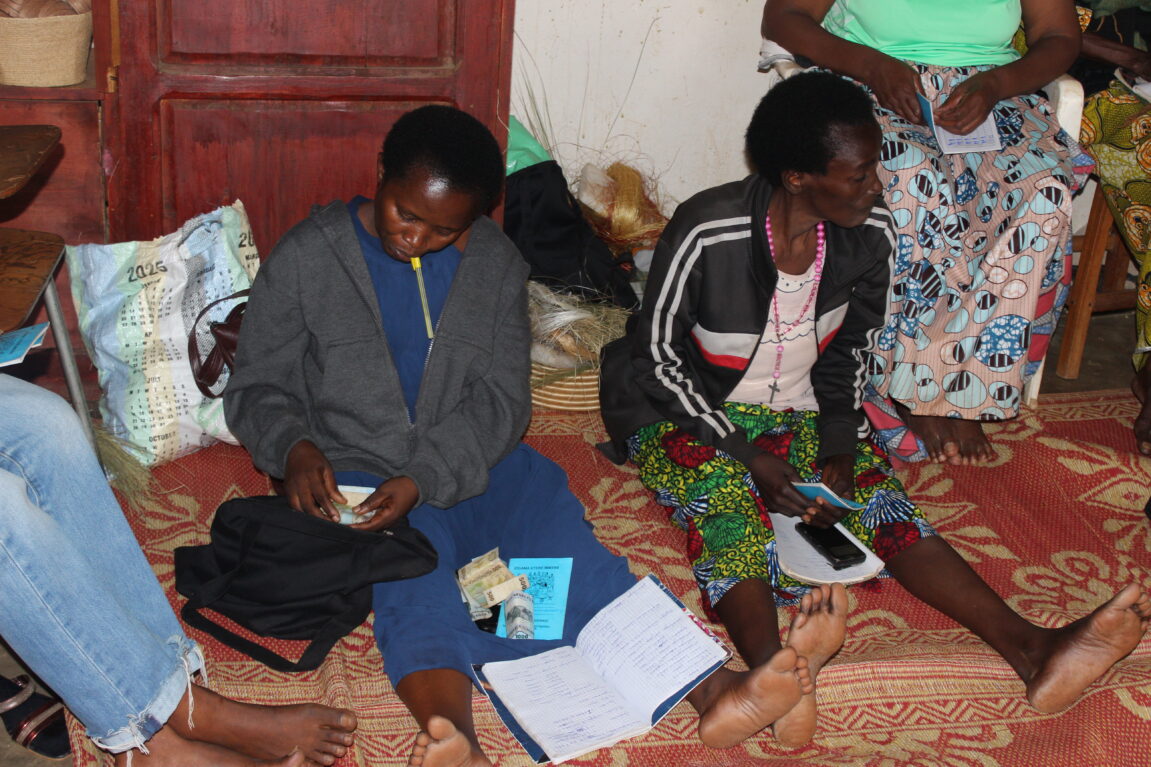
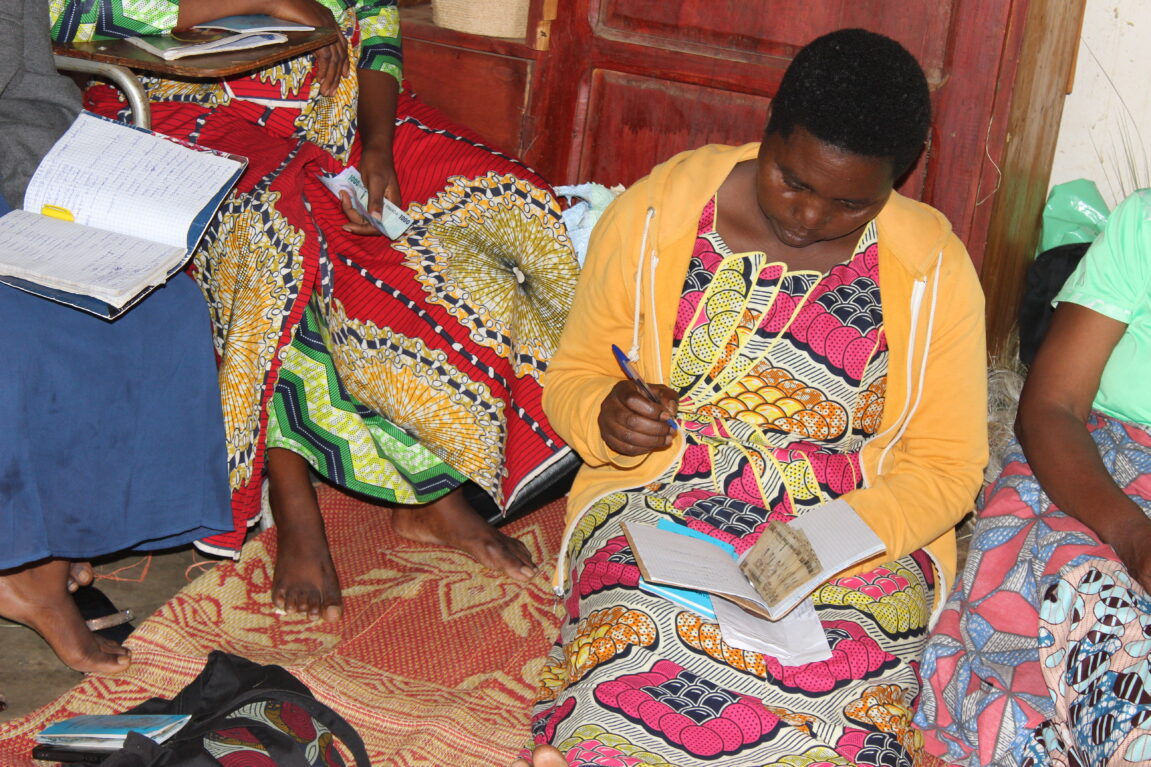
Tuzamukane also played a key role in connecting informal workers to union structures. By organizing in savings groups, workers were better positioned to engage collectively, understand their rights, and participate more actively in union life.
This link between economic empowerment and organization proved crucial. Savings groups became entry points for mobilization, education, and sustained engagement within the union.
Building on the successes and lessons of Tuzamukane, SYTRIECI Rwanda is now preparing to launch a new phase: Tujyane.
Tujyane aims to expand this model to three districts outside Kigali, reaching informal economy workers who have limited access to similar opportunities. The project plans to recruit and support approximately 1350 new members, with a strong focus on women and other vulnerable workers in the informal economy.
“Tuzamukane showed us that when informal economy workers are organized and supported, they can transform their lives,” explains SYTRIECI’s general secretary, Jeannette Nyiramasengesho “with Tujyane, we want to take these lessons further and ensure that more workers, especially outside Kigali, benefit from collective savings and empowerment.”
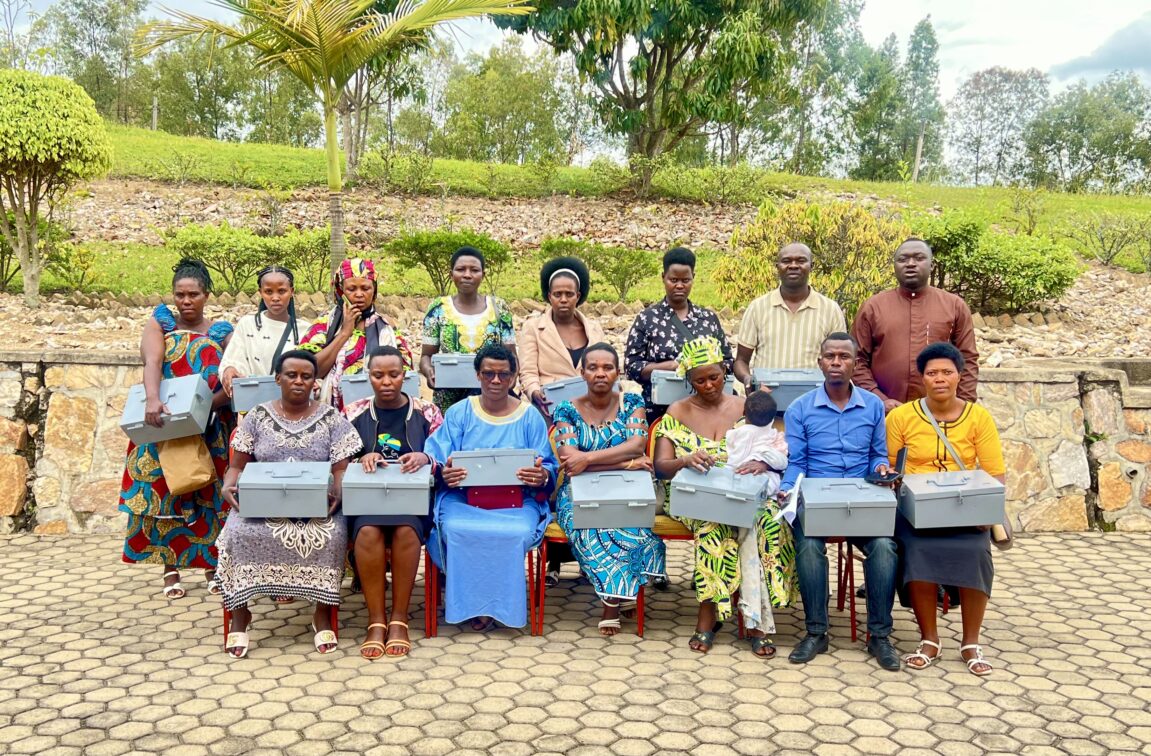
The Tujyane project is not just an expansion, it is a continuation of a vision where informal economy workers are economically empowered, socially connected, and collectively organized. The project aims to promote long-term sustainability, resilience, and inclusion by strengthening savings groups and recruiting new members, within the informal economy.
As Tuzamukane demonstrated, when workers come together to save, they also come together to grow, lead, and advocate for their rights. Tujyane now carries this momentum forward,extending collective strength to new communities and building a more inclusive future for informal economy workers.
Article by Dorcas Rachetee Ishimwe, Regional Communicator for West and Central Africa
Dorcas Rachetée Ishimwe is a communication and human rights enthusiast, currently serving as a Communication Officer for SYTRIECI Rwanda (Syndicat de Travailleurs Domestiques et Indépendants dans l’économie Informelle). Dorcas is deeply passionate about advocating for human rights through strategic communication.