Subscribe to our E-Letter!
Subscribe to our e-mail and stay up-to-date with news and resources from street vendors around the world.
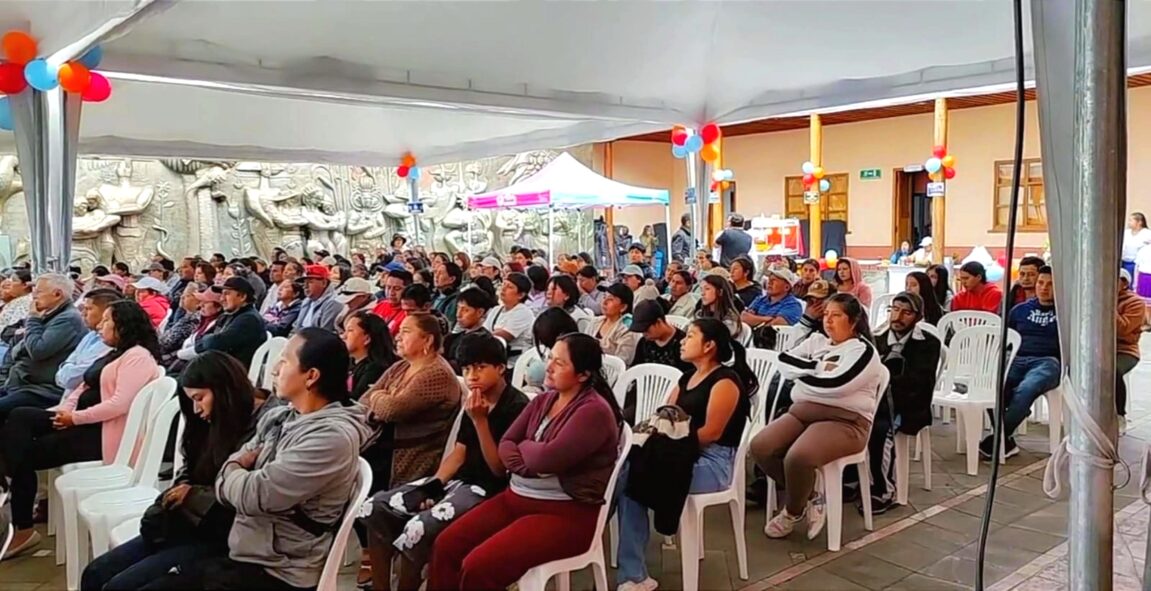
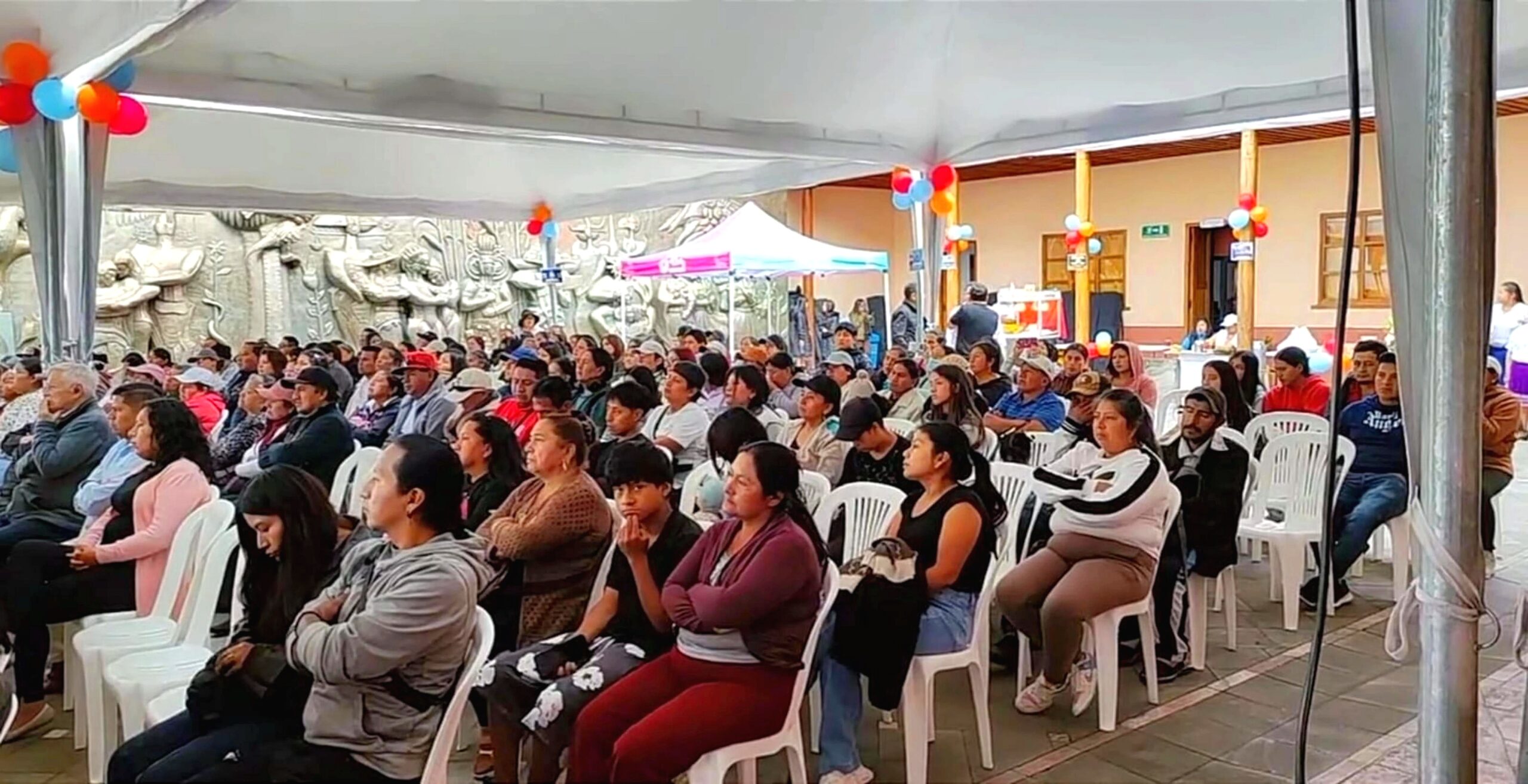
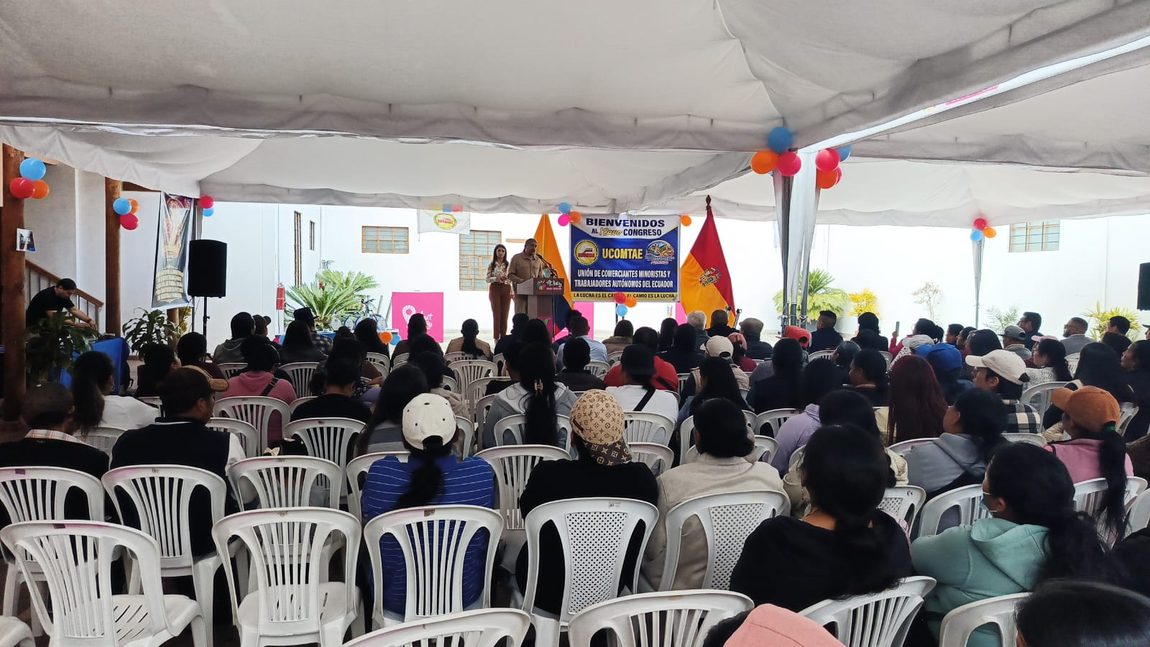
Defending the rights of self-employed workers and informal economy workers requires strong, democratic, and sustainable organizations. With this vision, the Ecuadorian affliate of StreetNet, UCOMTAE –Unión de Comerciantes Minoristas y Trabajadores Autónomos del Ecuador recently held its 18th National Congress in the city of Cuenca, in the province of Azuay: a gathering marked by political debate, internal restructuring, and a firm commitment to international solidarity.
In a recent interview, comrade Carlos Caiza, the organization’s re-elected president, shared the details of this historic gathering and the resolutions that will set the course for street and market vendors in Ecuador for the 2026-2028 period.
To understand the strength of the 18th Congress, it is necessary to look back. UCOMTAE was founded on September 17, 2008, as a response to a national traffic law that banned sales on public transportation.
What began as the Committee for the Defense of the Rights of Workers in Public Transportation evolved through the years and the struggles. Today, the organization represents the three major branches of popular commerce in the country: vendors in public transportation, vendors in public spaces, and market traders.
Organizing a national congress comes with the great challenge of ensuring participation from all territories. To guarantee that delegates from different regions could attend, UCOMTAE implemented an inclusive participation model. On September 16, one day before the public event, they brought together the representative heads of each provincial branch in an assembly held in hybrid format (in person and virtual).
This strategy allowed those members who were delayed in reaching Cuenca to connect and participate actively. As for official attendance, of the 136 delegates invited to take part, 98 representatives attended. Adding the authorities, special guests, and grassroots members, the event reached a total in-person attendance of 350 people, backing the decisions of a national union that continues to grow.
The election process for the new leadership stood out for its strict compliance with gender alternation. “If a woman is at the head, her alternate must necessarily be a man, or if a man is at the head, the alternate must necessarily be a woman. It can’t be man to man, or woman to woman, under any circumstances,” Caiza explained.
Under these statutes, the delegates’ leadership abilities and political connections were evaluated, resulting in the re-election of Carlos Caiza as president for four more years, accompanied by a diverse team in the secretariats of Finance, Minutes, Youth, Culture, and Sports.
A fundamental aspect of UCOMTAE is its active affiliation with StreetNet International. Joining this global organization came about very naturally since, from its very founding in 2008, the Ecuadorian organization already practiced principles and statutes almost identical to those promoted by the global network. This deep affinity of ideals was evident during the Congress, especially in the election process and in the appointment of leadership positions, showing that the exercise of democracy and the gender parity required by StreetNet was not a difficult adaptation for UCOMTAE, but rather the confirmation of a practice that was already in their organizational DNA.
The UCOMTAE Congress did not only look inward; it also sent a clear message to the governments in power. Among the most important resolutions are:
The pandemic left major organizational challenges, reducing the number of members after a harsh crisis that hit urban workers especially hard. In response, the 18th Congress made a brave decision to guarantee UCOMTAE’s independence and sustainability.
Starting next year, each affiliated organization will pay a monthly fee. This fund will not only make it possible to finance mobilization and internal struggle without depending on the leaders’ own pockets, but also to set a good example of social and solidarity economy.
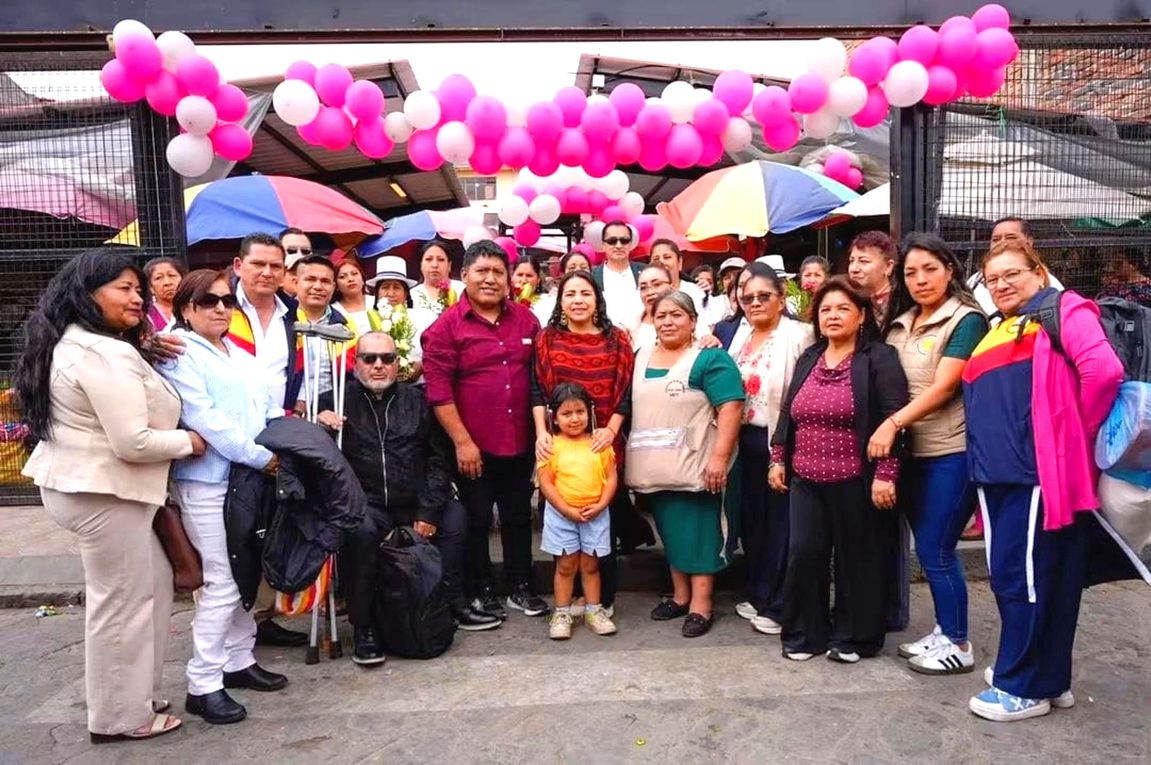
In closing the interview, Carlos Caiza left a thoughtful message for all StreetNet-affiliated organizations in the region. He called for responsibility and respect in meeting spaces and, above all, advocated for a much more united StreetNet of the Americas. “There must be solidarity with the organizations, the countries, and the sector itself. If something serious is happening in any country in the region, let’s raise our voices” the comrade concluded.