Subscribe to our E-Letter!
Subscribe to our e-mail and stay up-to-date with news and resources from street vendors around the world.
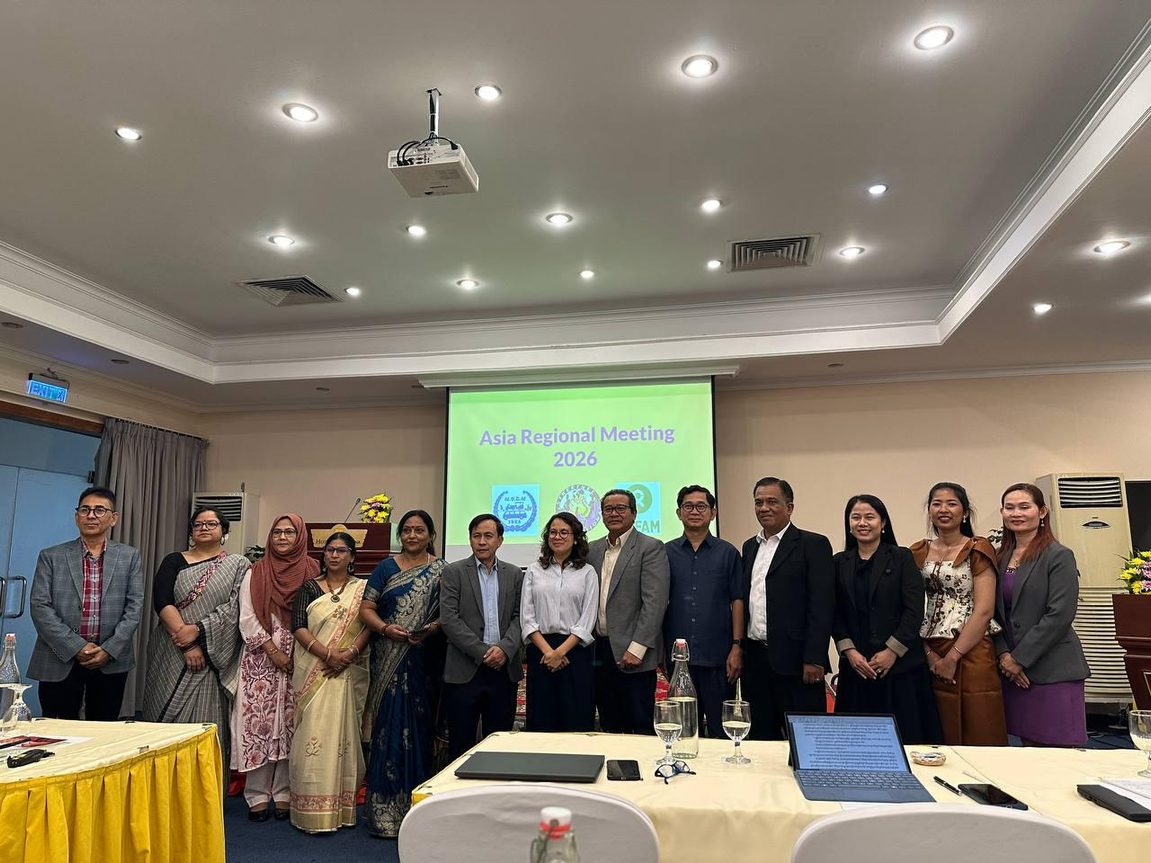
From 5 to 7 October 2026, representatives of StreetNet International affiliates from Cambodia, India, Nepal and Bangladesh met in Phnom Penh for a regional meeting focused on expanding social protection for workers in the informal economy. The meeting brought together IDEA (Cambodia), SEWA (India), NEST (Nepal) and LIE (Bangladesh).
The meeting opened with an institutional session with Cambodian authorities. Representatives of the Ministry of Industry, Science, Technology and Innovation and the National Social Security Fund presented existing mechanisms for the registration of informal workers and access to voluntary healthcare coverage. However, IDEA representatives raised concerns about the accessibility of these systems, particularly the digital requirements for registration and the cost of contributions. Under the scheme workers may need to contribute approximately USD 4 per month for each household member to access healthcare benefits. For street vendors supporting large families on irregular and often limited incomes, these costs represent a significant barrier to participation.
In Bangladesh, LIE highlighted a different challenge: although the country has developed several social assistance and social security programmes, including pensions and targeted benefits for women, many schemes remain totally inaccessible to informal economy workers such as street vendors.
India’s experience demonstrated both the opportunities and limitations of having a legal framework focused on street vendors. The Street Vendors (Protection of Livelihood and Regulation of Street Vending) Act, adopted in 2014 following years of mobilisation (including from SEWA), provides a legislative framework for recognising and protecting street vendors’ livelihoods. SEWA representatives emphasised persistent difficulties in implementation across different states, including access to identification documents and the effective functioning of Town Vending Committee, regulatory local assemblies that also have the goal of protecting vendors from illegal and violent evictions. Another role of the TVC is to act as liaisons with the state and national authorities, consulting with them in order to roll out credit, welfare and insurance schemes specifically directed at vendors.
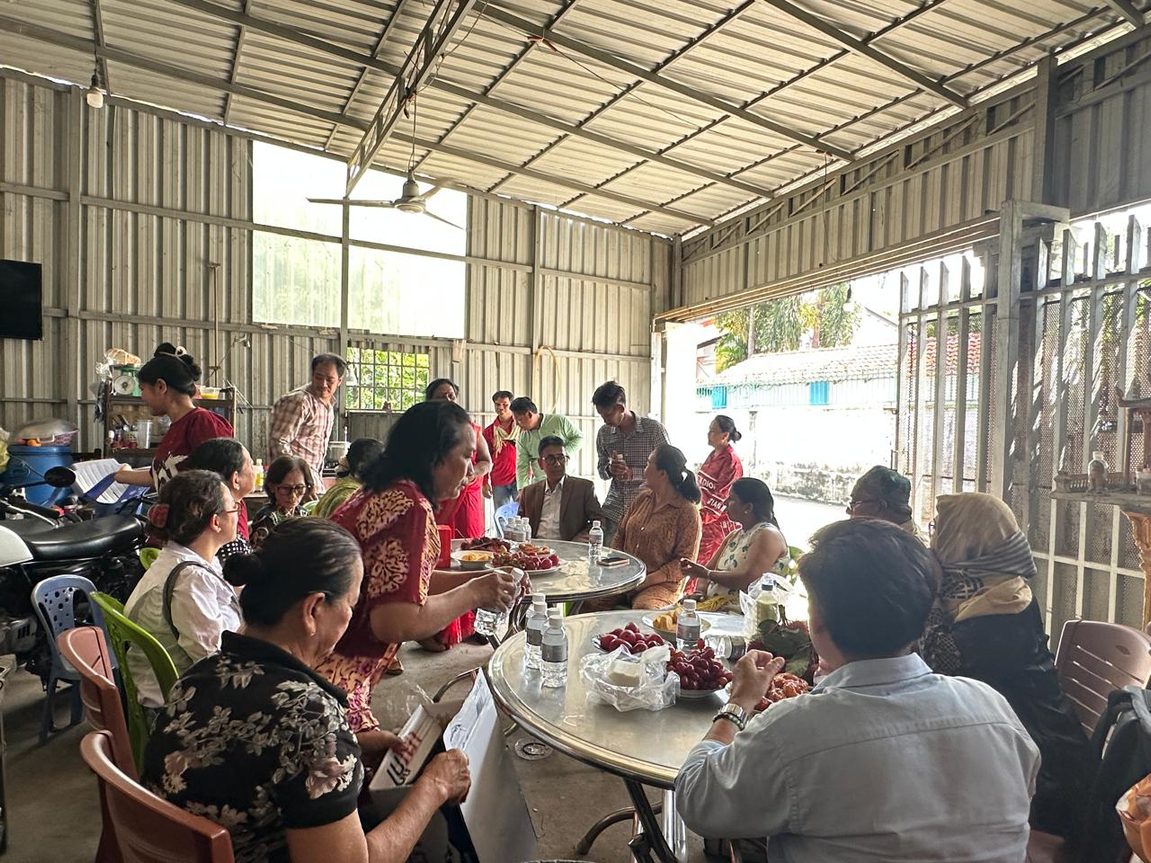
During the morning of the second day, participants travelled by tuk-tuk to an industrial area of Phnom Penh where IDEA organises street vendors. The neighbourhood is home to numerous factories, and many IDEA members earn their livelihoods by selling food to factory workers in the surrounding streets.
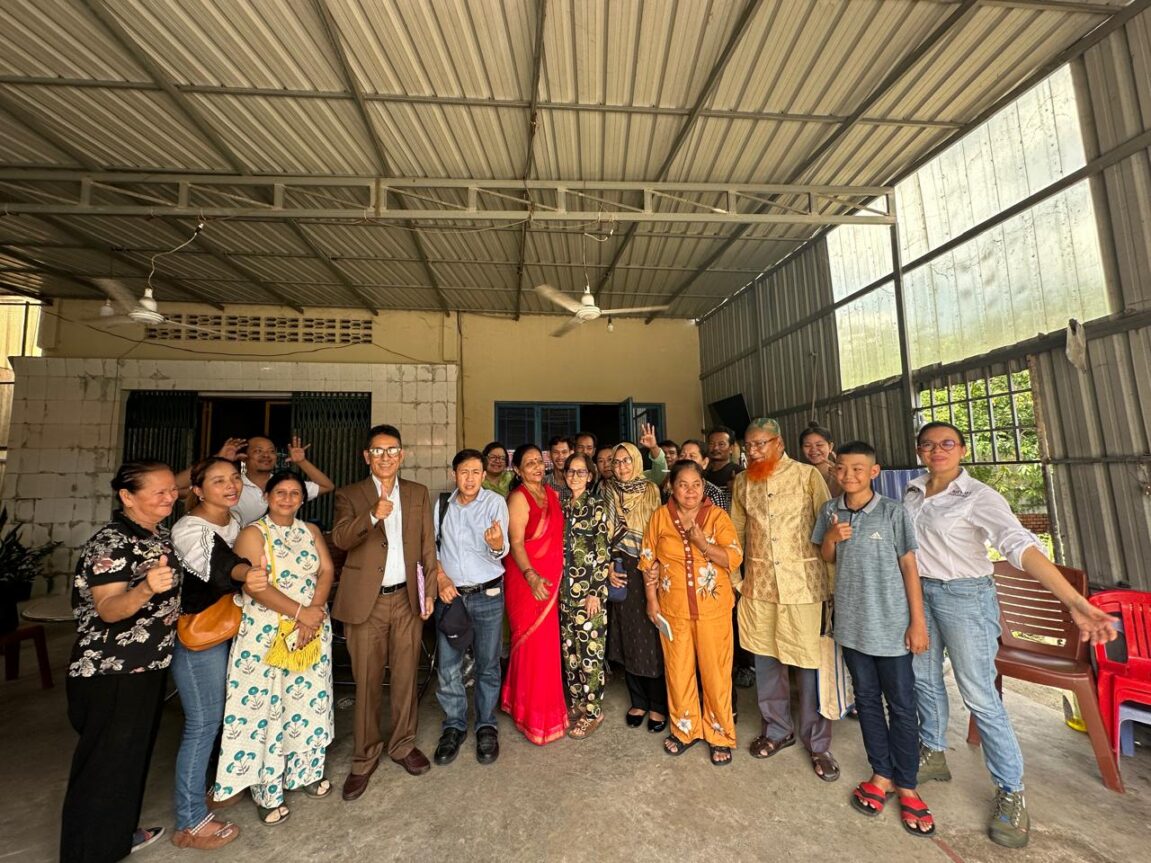
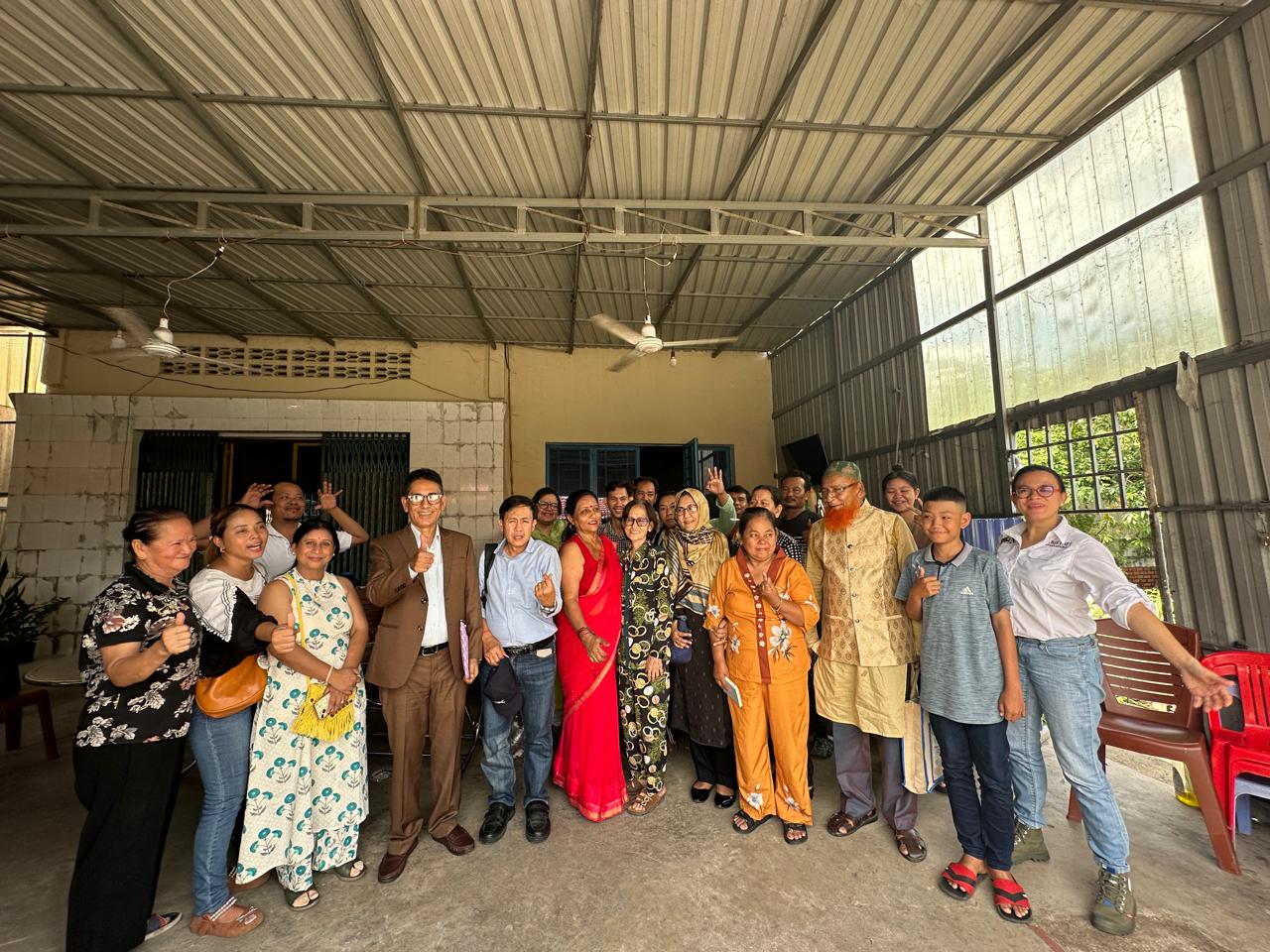
The group was welcomed into the home of one of the vendors, which also serves as a meeting space for IDEA members from the district. Around 15 members were present: most, if not all, were older women. This observation prompted a discussion about the challenges of working as street vendors at an older age. IDEA members explained that, in the absence of pensions, they had little choice but to continue working to support themselves and their families, highlighting the importance of social protection for older informal economy workers.
Building on the country exchanges, participants agreed on four interconnected priorities for regional social protection advocacy.
Alongside the common platform, affiliates developed country-level advocacy priorities reflecting their national contexts.
In Cambodia, IDEA will focus on advocating for lower contributions to the National Social Security Fund’s family healthcare package, piloting occupational accident insurance and pension schemes, and advancing climate-responsive social protection within Just Transition discussions.
In Bangladesh, LIE identified official registration and identification of street vendors, the extension of social protection benefits and access to secure workplaces as immediate priorities.
In Nepal, NEST prioritised identification documents as a first step towards broader social security inclusion. The organisation considers formal recognition essential to advancing subsequent demands.
In India, SEWA proposed establishing a women-only market in Delhi as a potential model for replication. The initiative seeks to combine safer working conditions with improved livelihood opportunities and access to identification documents, public benefits and affordable credit.
The common platform provides a basis for bringing these priorities into regional and international policy discussions. For StreetNet International’s Asian affiliates, the next challenge is to translate this shared agenda into practical demands. Forging alliances and strengthening regional solidarity, especially though in person meeting and sustained regional work, is a fundamental first step.
Photo Credits: Nash Tysmans